How to Judge the Quality of a Double Eccentric Pneumatic Butterfly Valve
Double eccentric pneumatic butterfly valves are widely used in water treatment, chemical, metallurgical, and energy industries due to their excellent opening and closing performance, reliable sealing, and adaptability to various complex operating conditions. To ensure long-term stable operation, accurately assessing the quality before procurement is crucial. The following analysis focuses on structural manufacturing processes, sealing performance, material selection, and actuator quality to help users comprehensively evaluate the reliability of double eccentric pneumatic butterfly valves.
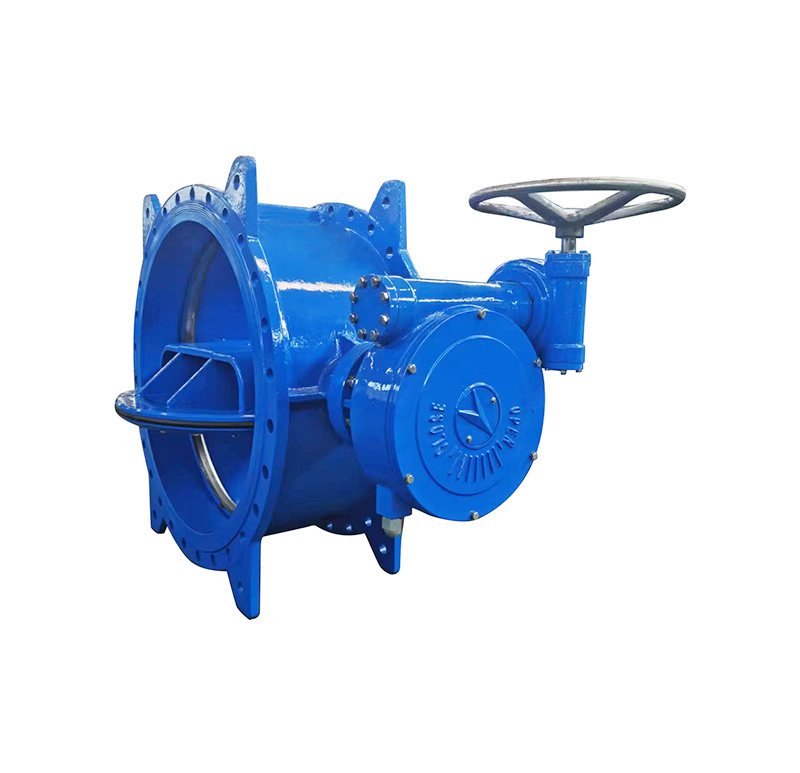
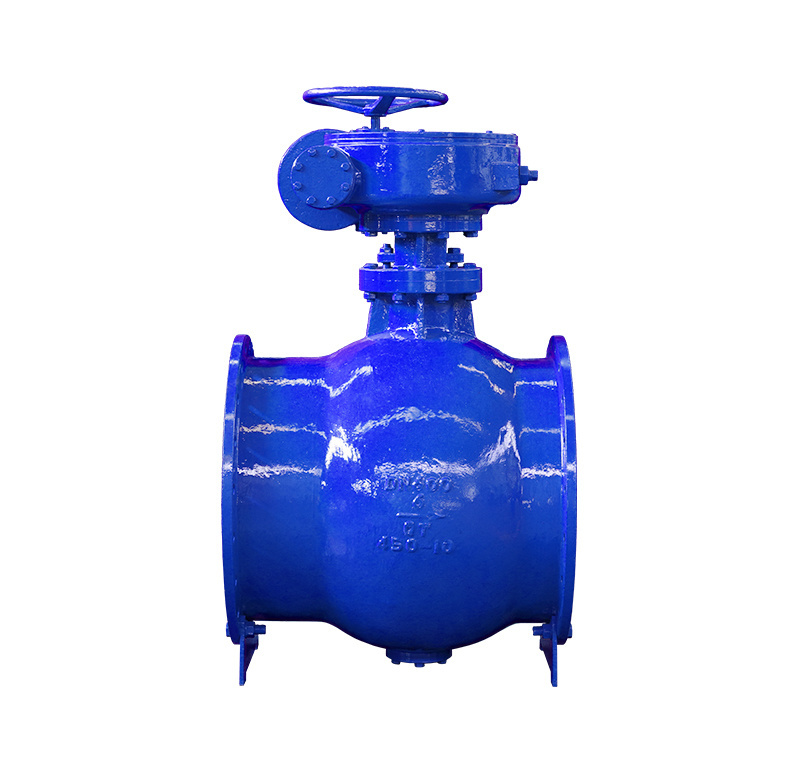
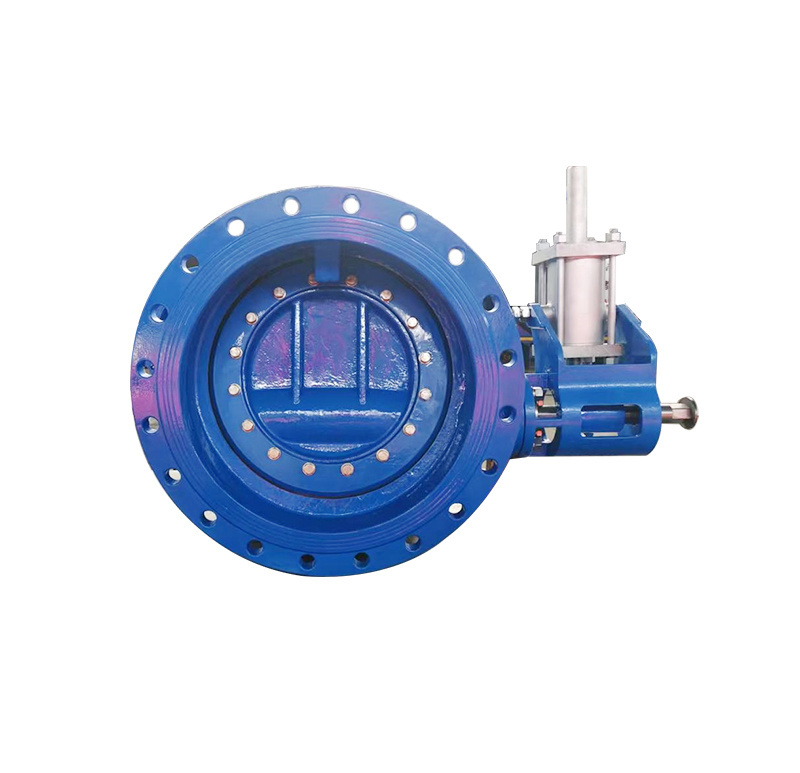
First, the manufacturing process of the valve body and valve plate needs to be carefully observed. A high-quality double eccentric pneumatic butterfly valve should have a valve body manufactured using precision casting or forging processes, with a smooth surface free of obvious sand holes and cracks. The valve plate should maintain a streamlined design to ensure lower flow resistance and smoother opening and closing. Higher machining precision results in less mechanical wear during valve operation and a longer service life. Furthermore, the connection structure between the valve shaft and the valve plate must be robust and reliable to prevent loosening or misalignment after long-term use.
Secondly, sealing performance is one of the core indicators for judging the quality of a butterfly valve. While the double-eccentric design reduces wear on the sealing ring, the material of the sealing ring is equally crucial. Common materials include EPDM, NBR, PTFE, and metal seals, and the selection should be based on the actual operating conditions. A high-quality sealing structure should possess characteristics such as wear resistance, corrosion resistance, and resistance to high and low temperatures, and undergo rigorous leakage testing before leaving the factory, including air tightness testing and water pressure testing, to ensure that the valve maintains a stable seal under high pressure or frequent opening and closing conditions.
Thirdly, material selection directly determines whether the valve can adapt to different media and environments. High-quality Double Eccentric Pneumatic Butterfly Valves typically use materials such as stainless steel, ductile iron, or carbon steel. Selecting the appropriate material based on the corrosiveness of the media, temperature, and pressure is critical. Furthermore, the valve shaft material usually requires high strength and wear resistance to improve overall durability.
Finally, the quality of the pneumatic actuator cannot be ignored. A stable actuator should have rapid response, sufficient output torque, robust structure, and a good level of sealing protection. When selecting an actuator, check its brand, manufacturing standards, cylinder material, and protection rating (IP rating). Actuator performance directly affects valve opening and closing sensitivity and the reliability of the automation system.
Assessing the quality of a Double Eccentric Pneumatic Butterfly Valve requires evaluation of multiple aspects, including appearance, sealing structure, material configuration, and actuator performance. Only when all these key elements meet standards can the valve maintain stable, efficient, and safe operation over the long term.
Previous


Transportation
Support air, land and sea transportation
Customization
Offering options for customers to customize
Enjoy A Discount
Customers can negotiate the purchase price

Phone/WhatsApp:
Email:


Get A Quote
Expand your business with a trusted partner