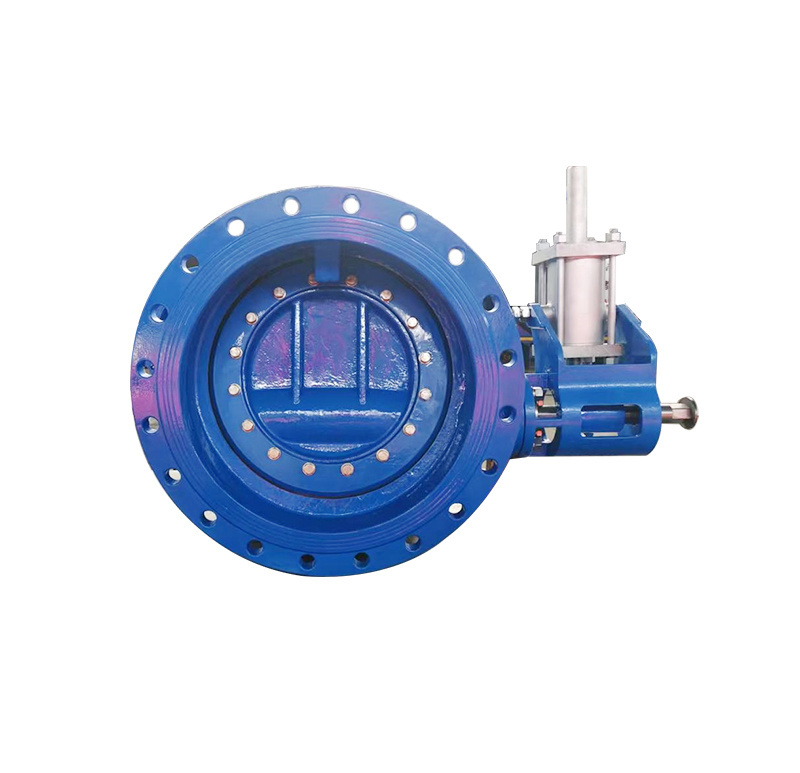
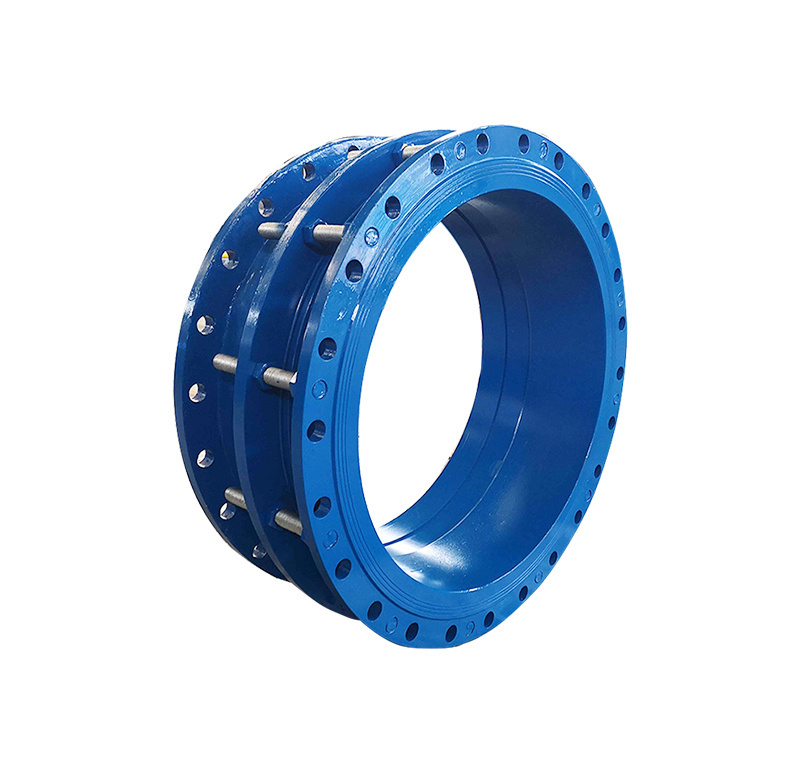
Research on the corrosion resistance of desalination plant butterfly valve
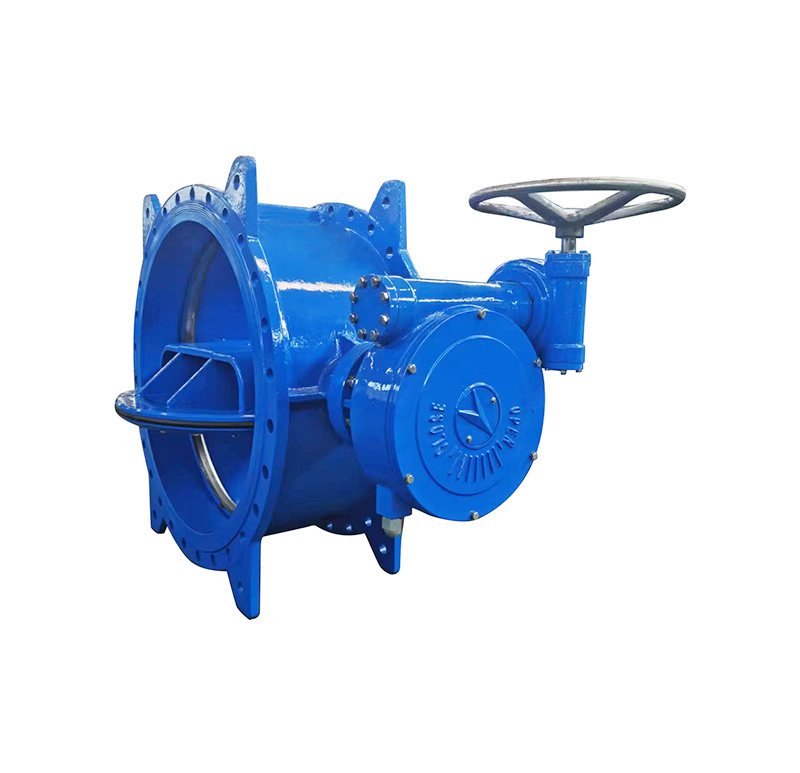
In seawater desalination projects, pipeline systems operate in a high-salinity, high-humidity, and chlorine-containing environment for extended periods. As critical control components, the corrosion resistance of valves directly impacts the safety and stability of the system. Butterfly valves, due to their compact structure, rapid opening and closing, and low flow resistance, are widely used in the water intake, pretreatment, reverse osmosis, and water distribution systems of desalination plants. Their corrosion resistance is a core consideration in selection and design.
Seawater contains a large amount of chloride ions, which are highly corrosive to metal materials. Ordinary carbon steel or low-alloy materials are highly susceptible to pitting corrosion, crevice corrosion, and even stress corrosion cracking in this environment. Therefore, desalination plant butterfly valve typically use materials with excellent corrosion resistance, such as duplex stainless steel, super duplex stainless steel, nickel-based alloys, and rubber-lined or PTFE-lined structures. Duplex stainless steel, combining both austenitic and ferritic structures, exhibits outstanding performance in chloride ion corrosion resistance and mechanical strength, making it a common choice in seawater desalination projects.
In addition to the valve body material, the corrosion resistance of the butterfly valve's sealing structure is equally crucial. The valve seat usually uses non-metallic materials such as EPDM, NBR, or PTFE, which not only have good seawater corrosion resistance but also effectively improve sealing reliability and reduce the risk of media leakage. Under high-pressure or high-frequency opening and closing conditions, a reasonable sealing structure design helps reduce wear and tear, thereby extending the overall service life of the butterfly valve.
Surface anti-corrosion technology is also an important means of improving the corrosion resistance of butterfly valves. By spraying epoxy resin, polyurethane, or applying thermal spray alloy coatings on the valve body surface, a stable protective layer can be formed between the metal substrate and the seawater medium, effectively slowing down the corrosion rate. These protective measures are particularly important in water intake pipelines and raw water treatment systems.
The corrosion resistance of desalination plant butterfly valve is the result of the combined effect of material selection, sealing design, and surface protection technology. Through scientific selection and reasonable design, the operational reliability of butterfly valves in harsh seawater environments can be significantly improved, maintenance costs can be reduced, and the long-term stable operation of the seawater desalination system can be ensured.


Transportation
Support air, land and sea transportation
Customization
Offering options for customers to customize
Enjoy A Discount
Customers can negotiate the purchase price

Phone/WhatsApp:
Email:


Get A Quote
Expand your business with a trusted partner