Understanding the Benefits of Small Flow Resistance Valves in Industrial Applications
Understanding the Benefits of Small Flow Resistance Valves in Industrial Applications
Industrial processes rely heavily on precise flow control, making valves an essential component of various systems. Among these, small flow resistance valves stand out for their ability to maintain optimal fluid flow while minimizing energy losses. In this article, we will delve deep into the advantages of small flow resistance valves, their applications in various industries, and how they contribute to enhanced operational efficiency.
What Are Small Flow Resistance Valves?
Small flow resistance valves are designed to regulate fluid flow with minimal pressure drop. Unlike conventional valves that may impede flow, these valves facilitate smooth passage, ensuring that systems operate efficiently. They are often used in applications where precise flow control is paramount, such as in hydraulic and pneumatic systems, chemical processing, and water treatment facilities.
The Mechanics Behind Small Flow Resistance Valves
Understanding how small flow resistance valves work is essential for appreciating their benefits. These valves utilize sophisticated designs that promote streamlined fluid dynamics. Common types of small flow resistance valves include:
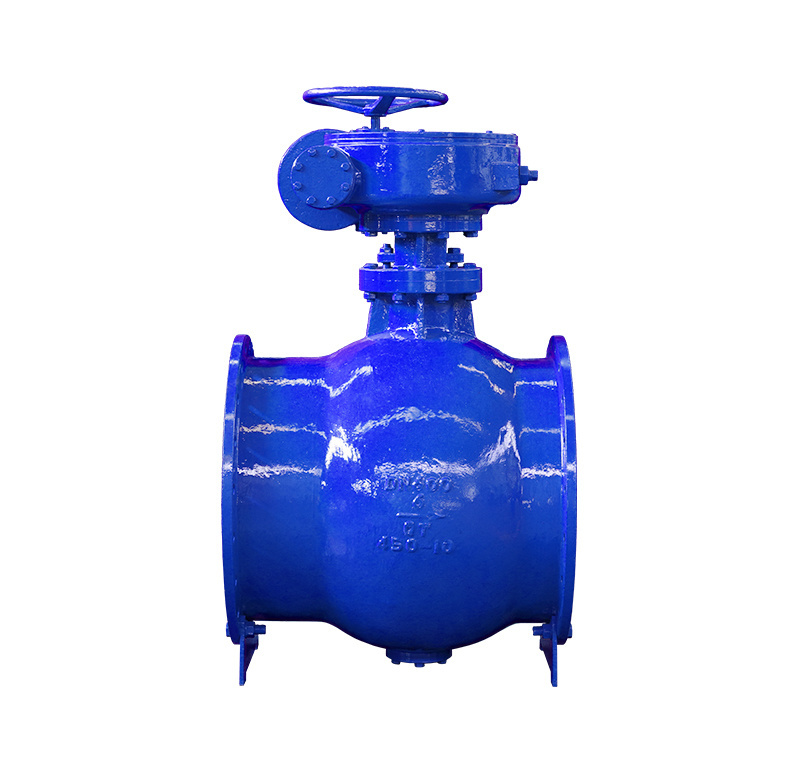
- Ball Valves: Known for their quick operation and low flow resistance, ball valves have a spherical closure element that allows for smooth flow.
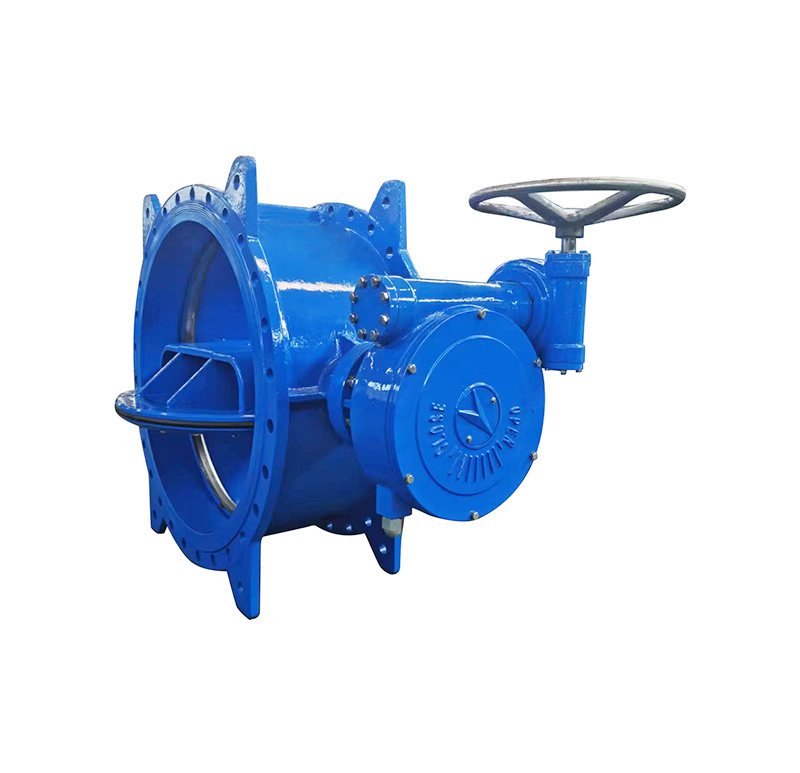
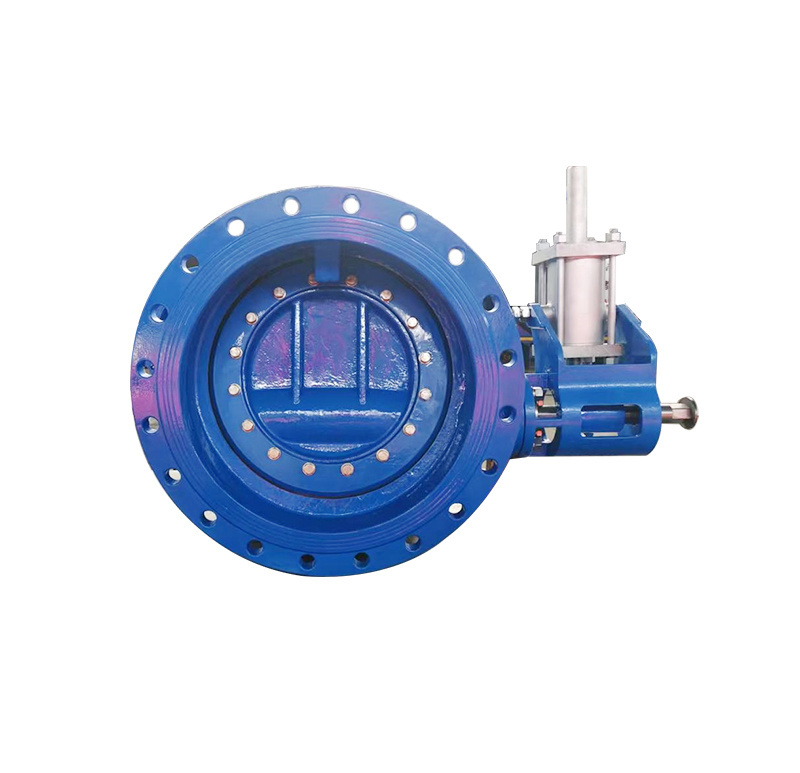
- Butterfly Valves: With a disc that pivots to control flow, butterfly valves are effective in large piping systems, offering a compact design with minimal resistance.
- Globe Valves: These valves are designed for throttling and flow regulation, featuring a spherical body that allows for fine adjustments.
Benefits of Small Flow Resistance Valves
1. Enhanced Energy Efficiency
One of the primary benefits of small flow resistance valves is their capacity to enhance energy efficiency. By minimizing pressure drops across the valve, these components reduce the energy required to pump fluids through systems. This is particularly significant in large-scale operations where energy costs can represent a substantial portion of operational expenses.
Lower Operational Costs
With reduced energy consumption, businesses can expect lower operational costs. This advantage is crucial in competitive industries, where every dollar saved contributes to the bottom line. Small flow resistance valves can help companies maintain cost-effective operations while meeting production demands.
2. Improved System Performance
Small flow resistance valves contribute to improved overall system performance. By ensuring a steady and consistent flow rate, these valves prevent fluid turbulence and pressure fluctuations that can lead to inefficiencies. This reliability is vital in processes such as:
- Chemical mixing
- Fluid transport
- Heating and cooling applications
3. Greater Control and Precision
Precision is a hallmark of small flow resistance valves. Their design allows for finely tuned flow control, enabling operators to make precise adjustments as needed. This level of control is essential in applications where even slight variations can have significant impacts on quality and safety.
Application in Critical Processes
In industries such as pharmaceuticals and food processing, maintaining strict control over fluid flows is crucial. Small flow resistance valves provide the necessary accuracy to ensure compliance with stringent regulations and standards.
4. Versatility in Applications
Small flow resistance valves are incredibly versatile, finding applications across various sectors. Some of the notable industries that benefit from these valves include:
- Water Treatment: Used in filtration systems to regulate flow and maintain clarity and purity of water.
- Oil and Gas: Facilitating fluid transport while minimizing pressure drops in pipelines.
- Manufacturing: Controlling the flow of materials in processes such as injection molding and assembly lines.
Choosing the Right Small Flow Resistance Valve
Selecting the appropriate small flow resistance valve for a specific application is crucial for achieving optimal performance. Factors to consider include:
1. Flow Rate Requirements
Understanding the required flow rate is essential. Valves must be matched to the system's flow requirements to minimize resistance while ensuring adequate delivery.
2. Material Compatibility
Valves made from compatible materials are essential to prevent corrosion and degradation. This is especially important in industries dealing with corrosive substances.
3. Pressure Ratings
Each valve comes with specific pressure ratings. It’s important to select a valve that can withstand the operational pressures of the system without failure.
4. Size and Configuration
The physical size and configuration of the valve must align with the system's design. Proper fit is necessary to ensure seamless integration and optimal flow dynamics.
Installation and Maintenance of Small Flow Resistance Valves
Proper installation and maintenance are critical to ensuring that small flow resistance valves function effectively throughout their lifespan.
Installation Tips
- Ensure valve orientation aligns with flow direction indicators.
- Use proper sealing techniques to prevent leaks.
- Verify that all connections are secure and leak-free.
Maintenance Practices
Regular maintenance can extend the life of small flow resistance valves. Key practices include:
- Routine inspections for wear and tear
- Periodic cleaning to prevent build-up
- Timely replacement of damaged components
Common Challenges and Solutions
While small flow resistance valves offer numerous benefits, they may also present challenges. Common issues include:
1. Cavitation
Cavitation can occur when pressure drops too significantly, leading to vapor bubbles that can damage the valve. To mitigate this, ensure valves are appropriately sized and pressure conditions are monitored.
2. Maintenance Requirements
Regular maintenance is necessary to ensure valve longevity. Developing a comprehensive maintenance schedule can help address this challenge effectively.
Conclusion
Small flow resistance valves play a vital role in enhancing efficiency and performance in industrial applications. By providing precise flow control, reducing energy consumption, and offering versatility across various sectors, these valves are integral to modern industrial processes. Understanding their benefits and proper implementation can lead to significant operational improvements and cost savings. As industries continue to seek ways to optimize their processes, investing in small flow resistance valves will undoubtedly prove advantageous.
Frequently Asked Questions (FAQs)
1. What is a small flow resistance valve?
A small flow resistance valve is a type of valve designed to minimize pressure drops and maintain smooth fluid flow in various industrial applications.
2. How do small flow resistance valves improve energy efficiency?
These valves reduce energy consumption by minimizing the energy required to pump fluids through the system, thus lowering operational costs.
3. In which industries are small flow resistance valves commonly used?
They are used in various industries, including water treatment, chemical processing, oil and gas, and manufacturing.
4. What factors should I consider when selecting a small flow resistance valve?
Consider flow rate requirements, material compatibility, pressure ratings, and size/configuration to ensure optimal valve performance.
5. How can I maintain small flow resistance valves effectively?
Regular inspections, cleaning, and timely replacement of worn components are crucial for maintaining valve functionality.
Previous


Transportation
Support air, land and sea transportation
Customization
Offering options for customers to customize
Enjoy A Discount
Customers can negotiate the purchase price

Phone/WhatsApp:
Email:


Get A Quote
Expand your business with a trusted partner
