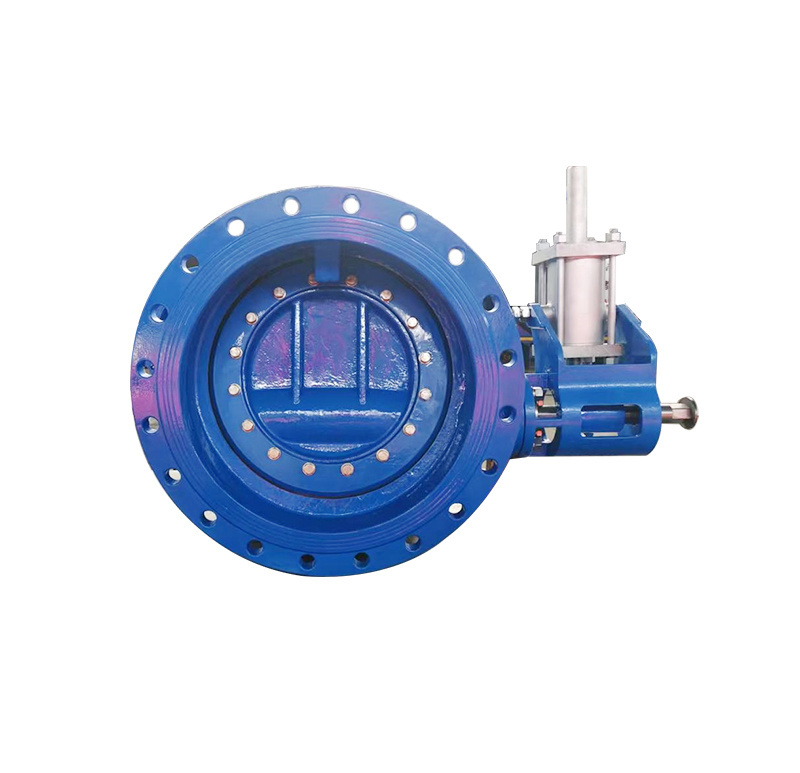
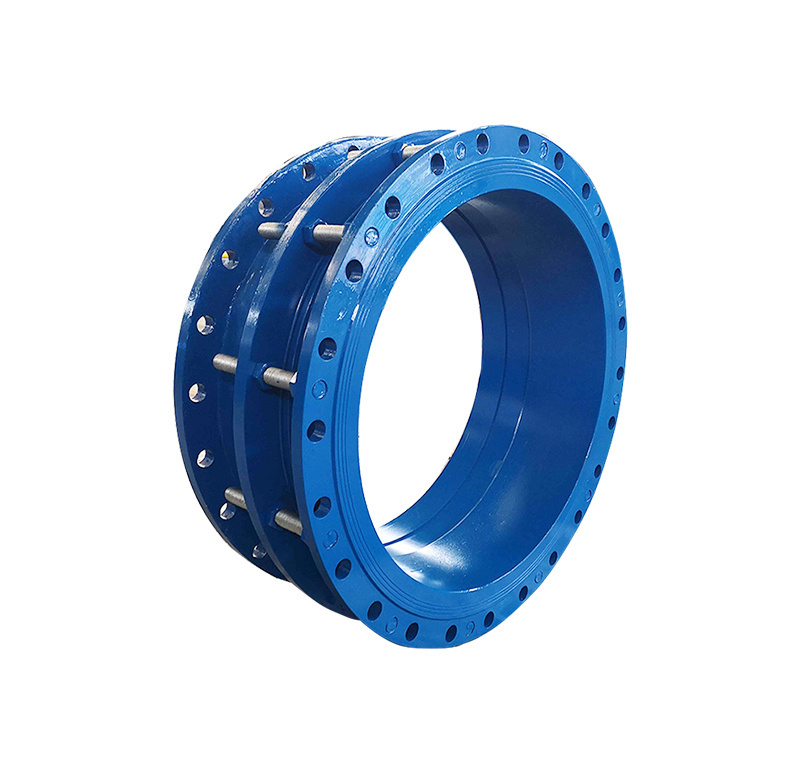
How to Select a Butterfly Valve for DN100–DN4000 Piping
When selecting butterfly valves suitable for pipelines ranging from DN100 to DN4000, the following key factors must be considered comprehensively:
Fluid properties
- Determine the fluid type (e.g., water, oil, gas, chemicals, etc.), as different fluids impose varying requirements on valves.
- The fluid’s viscosity, density, and corrosivity will influence the selection of valve materials.
Working Pressure and Temperature
- Determine the pipeline’s operating pressure and temperature range, and select a butterfly valve capable of withstanding those conditions.
- The performance differences of valves made from various materials under high temperature or high pressure require particular attention.
Valve material
- Common materials for butterfly valves include cast iron, stainless steel, and carbon steel.
- Select appropriate materials based on fluid characteristics and operating conditions to ensure the valve’s durability and safety.
Sealing performance
- The sealing performance of a butterfly valve directly affects fluid leakage, so it is essential to select an appropriate seal material, such as EPDM or PTFE.
- Understand the valve’s sealing class to ensure it meets the application requirements.
Valve structure
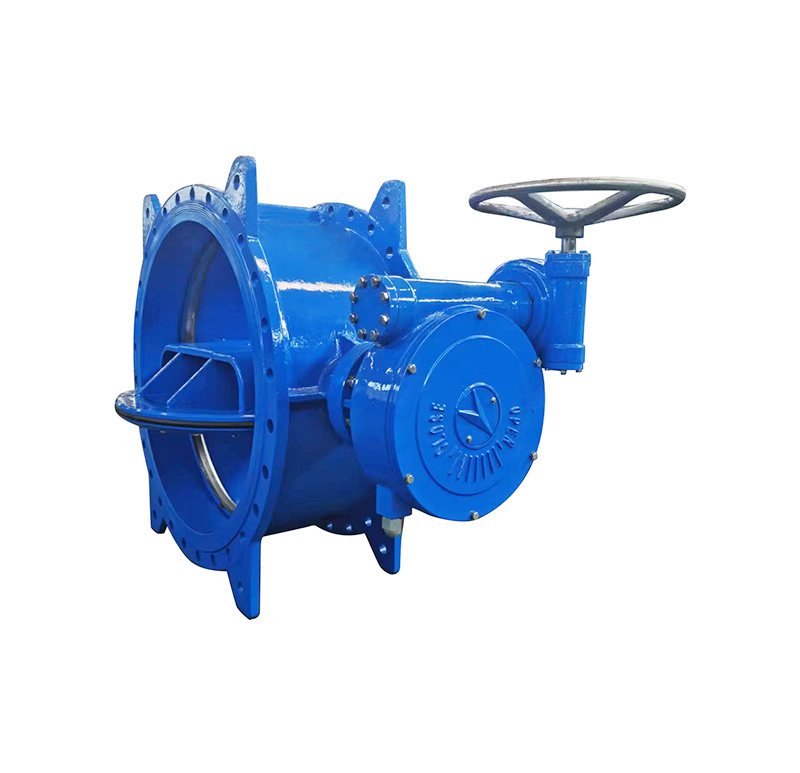
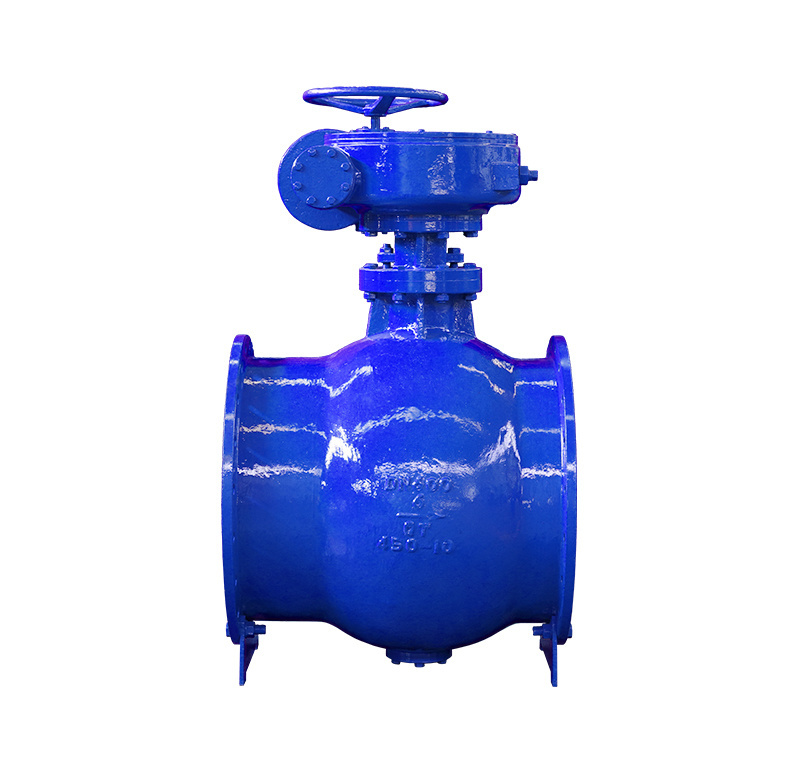
- Select an appropriate butterfly valve design—such as a centerline butterfly valve or an eccentric butterfly valve—based on the available installation space and piping layout.
- Butterfly valves with different structures exhibit variations in fluid control and flow characteristics.
Operating method
- Butterfly valves can be operated manually, electrically, or pneumatically, and the appropriate option should be selected based on the specific application requirements.
- Electric and pneumatic butterfly valves are suitable for automated control, while manual butterfly valves are ideal for simple on-off operations.
Flow characteristics
- Understand the flow characteristic curve of butterfly valves to select the appropriate valve for flow control.
- Different types of butterfly valves exhibit varying performance in flow control and should be selected based on specific application requirements.
Installation and Maintenance
- Consider the valve’s installation method and ease of maintenance, and select products that are simple to install and maintain.
- Regular inspection and maintenance can extend the service life of valves.
Costs and Budget
- Select an appropriate butterfly valve based on the project budget, taking into account a balanced trade-off between performance and cost.
- The prices of butterfly valves vary significantly across brands and models, so a market survey is necessary.
Supplier Selection
- Choose reputable suppliers to ensure product quality and after-sales service.
- Understand the supplier’s technical support and service capabilities to ensure you can receive assistance during use.
By comprehensively considering the factors outlined above, an appropriate butterfly valve can be selected for pipelines ranging from DN100 to DN4000, ensuring optimal performance and safety in practical applications.


Transportation
Support air, land and sea transportation
Customization
Offering options for customers to customize
Enjoy A Discount
Customers can negotiate the purchase price

Phone/WhatsApp:
Email:


Get A Quote
Expand your business with a trusted partner
