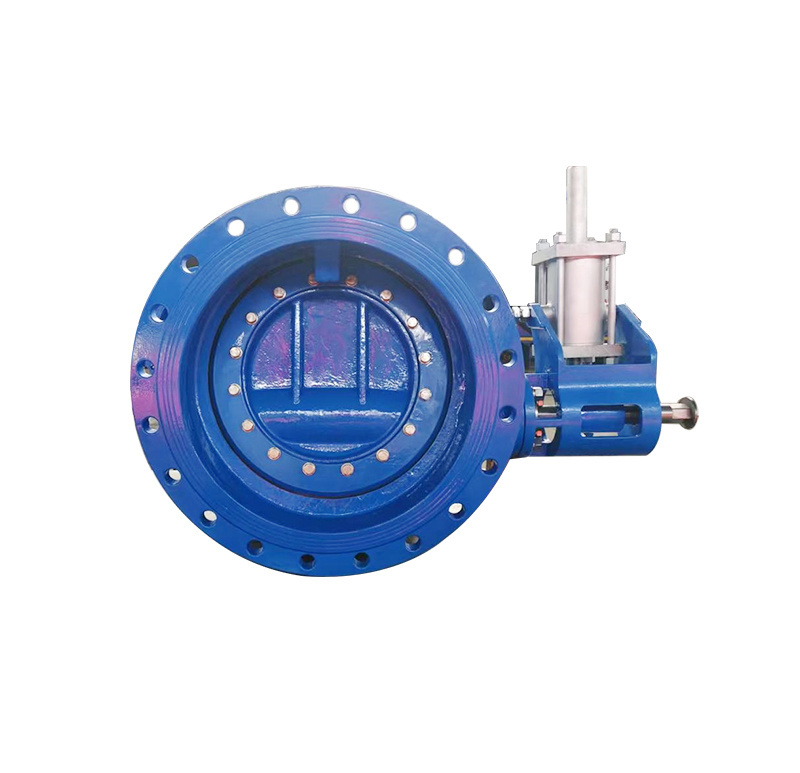
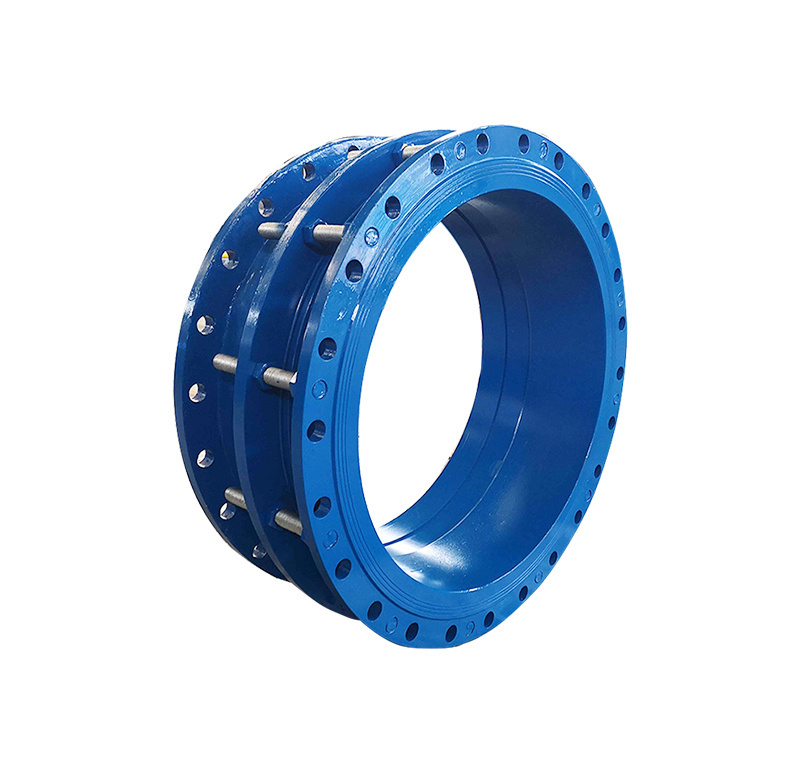
Understanding EN Standard Butterfly Valves: Essential Insights for Industrial Applications
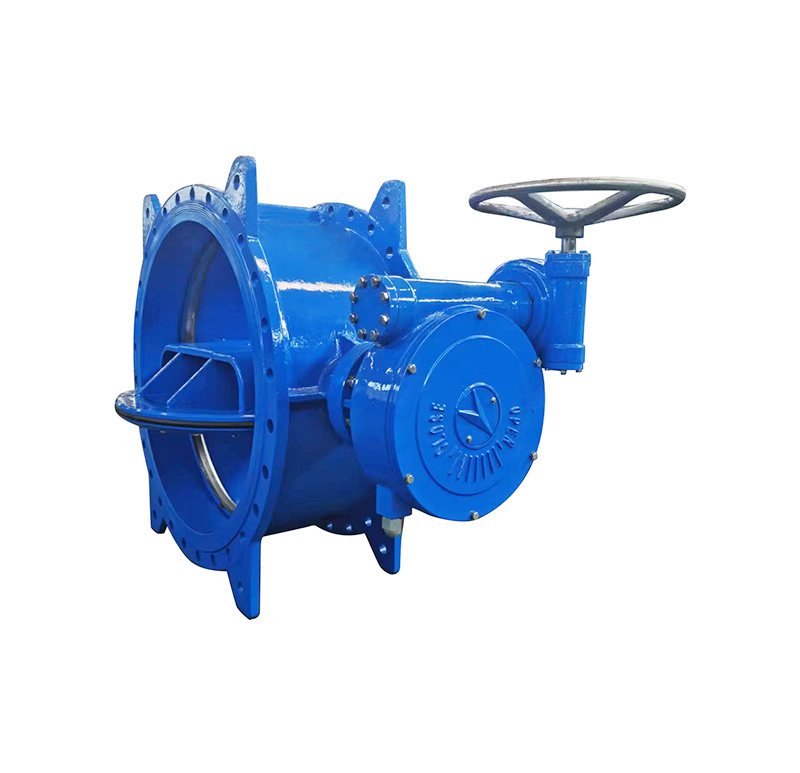
Butterfly valves are a critical component in various industrial processes, known for their simple design and efficient operation. The EN standard butterfly valve refers to those valves that are designed and manufactured according to European Norm (EN) standards, ensuring consistency, quality, and reliability across different applications. These valves are widely used in sectors ranging from water treatment to chemical processing, making them a versatile choice for controlling the flow of fluids.
One of the primary advantages of EN standard butterfly valves is their lightweight and compact design. Unlike other types of valves, butterfly valves require less space and are easier to install, which is a significant benefit in environments where space is limited. Their mechanism consists of a disc that rotates around a central axis, allowing for quick and easy opening and closing of the valve. This feature not only enhances operational efficiency but also minimizes the time required for maintenance and servicing.
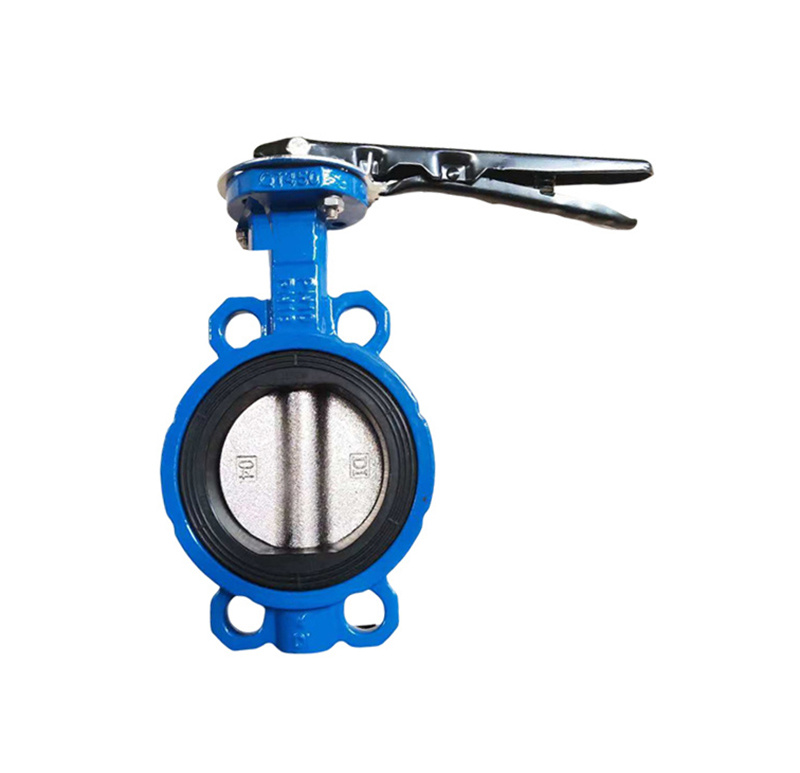
The materials used in the construction of EN standard butterfly valves are another aspect worth noting. These valves can be made from various materials, including stainless steel, cast iron, and plastic, depending on the specific requirements of the application. The choice of material directly affects the valve’s durability, resistance to corrosion, and overall performance. Therefore, selecting the appropriate material is crucial to ensure the valve can withstand the operating conditions it will face.
When it comes to applications, EN standard butterfly valves are suitable for a wide range of fluids, including gases, liquids, and slurries. Their versatility makes them applicable in many industries such as pharmaceuticals, food and beverage, oil and gas, and HVAC systems. In each of these sectors, the ability to control flow rates accurately is vital, and butterfly valves provide the necessary precision and reliability.
Another important feature of EN standard butterfly valves is their energy efficiency. Due to their design, they can be operated with lower torque compared to other valve types, which means that less energy is required to open and close them. This characteristic not only reduces operational costs but also contributes to more sustainable industrial practices.
In conclusion, understanding the role and advantages of EN standard butterfly valves is essential for anyone involved in industrial applications. Their efficient design, versatile material options, and energy-saving capabilities make them a preferred choice for fluid control in various settings. By considering these factors, businesses can optimize their systems and ensure reliability and performance in their operations.


Transportation
Support air, land and sea transportation
Customization
Offering options for customers to customize
Enjoy A Discount
Customers can negotiate the purchase price

Phone/WhatsApp:
Email:


Get A Quote
Expand your business with a trusted partner
