quality PVA film pods packaging line company-Dade
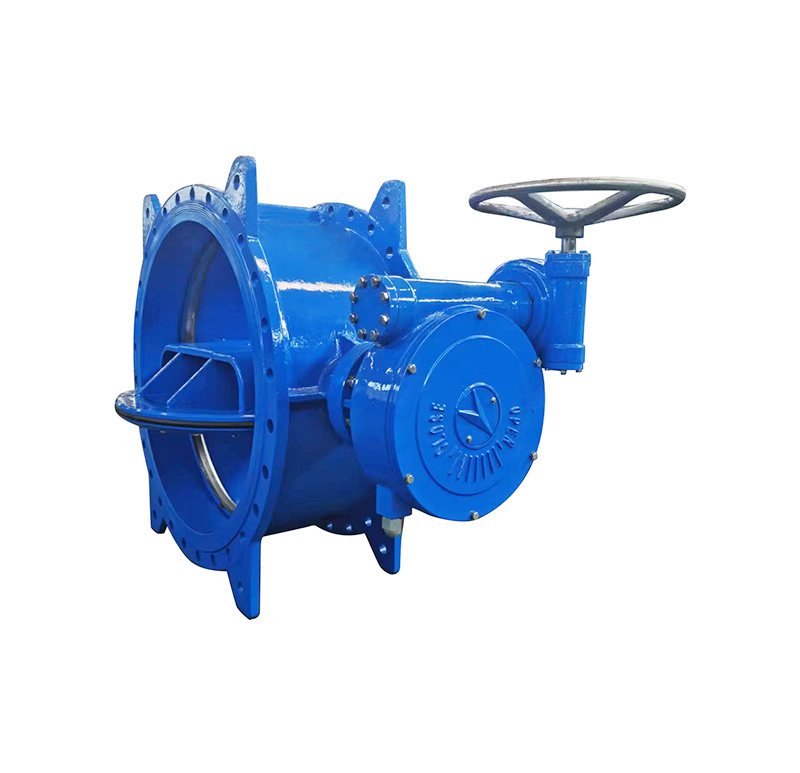
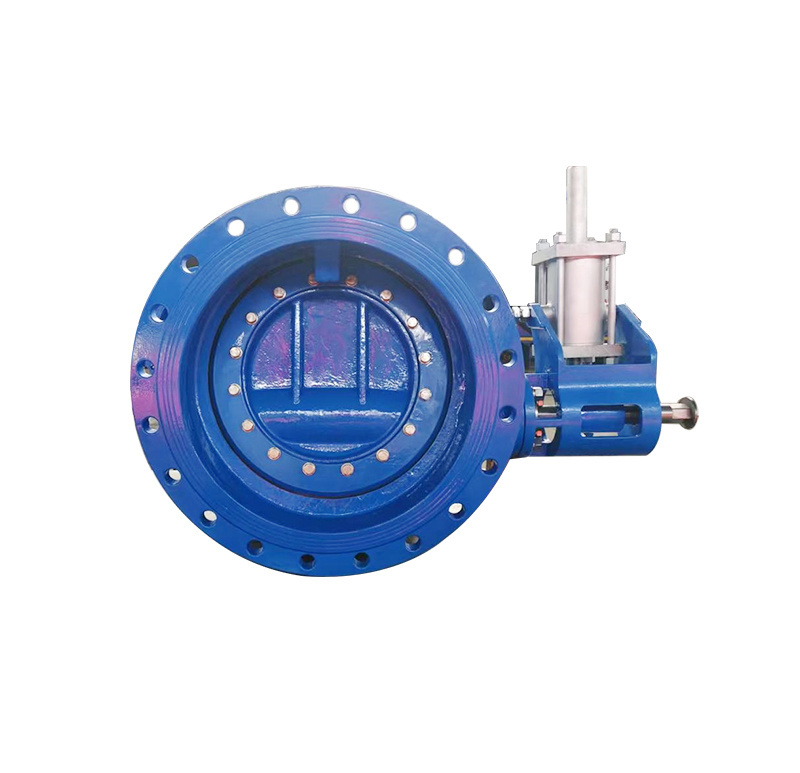
In marine engineering, seawater butterfly valves are among the most common control components in seawater systems, widely used in critical areas such as seawater cooling systems, ballast water systems, fire protection systems, and bilge drainage systems. Due to the high salinity, strong corrosiveness, and tendency to scale in seawater, high demands are placed on the material properties and structural design of the valves.
The main function of a seawater butterfly valve is to open, close, and regulate the flow of seawater pipelines. In the ship's main engine cooling system, seawater enters the heat exchanger through the seawater butterfly valve to remove the heat generated by the engine. In the ballast water system, the butterfly valve controls the intake and drainage of compartments, thereby regulating the ship's stability and balance. Furthermore, in fire protection and bilge drainage systems, seawater butterfly valves also play a crucial safety role.
Because of their long-term exposure to seawater, the selection of seawater butterfly valves focuses on corrosion resistance and reliability. Valve body materials typically include ductile iron with an epoxy coating, stainless steel, or duplex steel to improve resistance to chloride ion corrosion. The valve plate material is mostly made of stainless steel or nickel-aluminum bronze to enhance its resistance to erosion and corrosion. For sealing materials, EPDM or NBR rubber are commonly used, with EPDM exhibiting superior aging resistance in seawater environments.
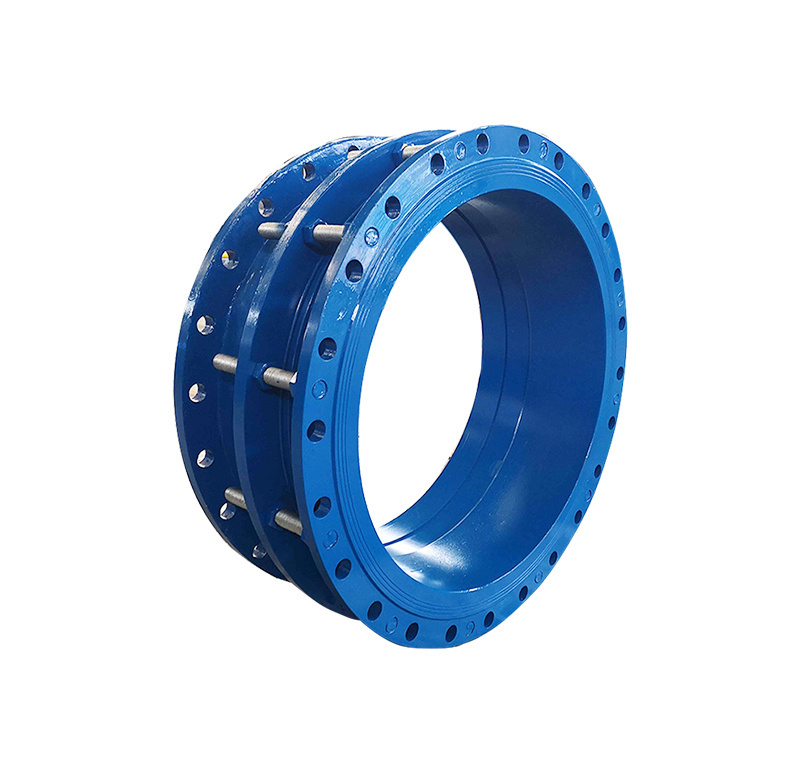
In terms of structural selection, wafer-type or flange-type soft-seal butterfly valves should be prioritized to ensure convenient installation and reliable sealing. Simultaneously, an appropriate PN value should be selected based on the system pressure rating, and the opening frequency and control method, such as manual, pneumatic, or electric actuators, should be determined in conjunction with the actual operating conditions of the vessel.
Furthermore, to extend service life, it is recommended to add anti-corrosion coating protection during the design phase and conduct regular maintenance and inspections to prevent marine organism adhesion and seal aging.
Proper selection of seawater butterfly valves not only improves the operational efficiency of ship systems but also significantly reduces maintenance costs and the risk of failure, making it a crucial foundational equipment for ensuring the safe and stable operation of ships.


Transportation
Support air, land and sea transportation
Customization
Offering options for customers to customize
Enjoy A Discount
Customers can negotiate the purchase price

Phone/WhatsApp:
Email:


Get A Quote
Expand your business with a trusted partner
