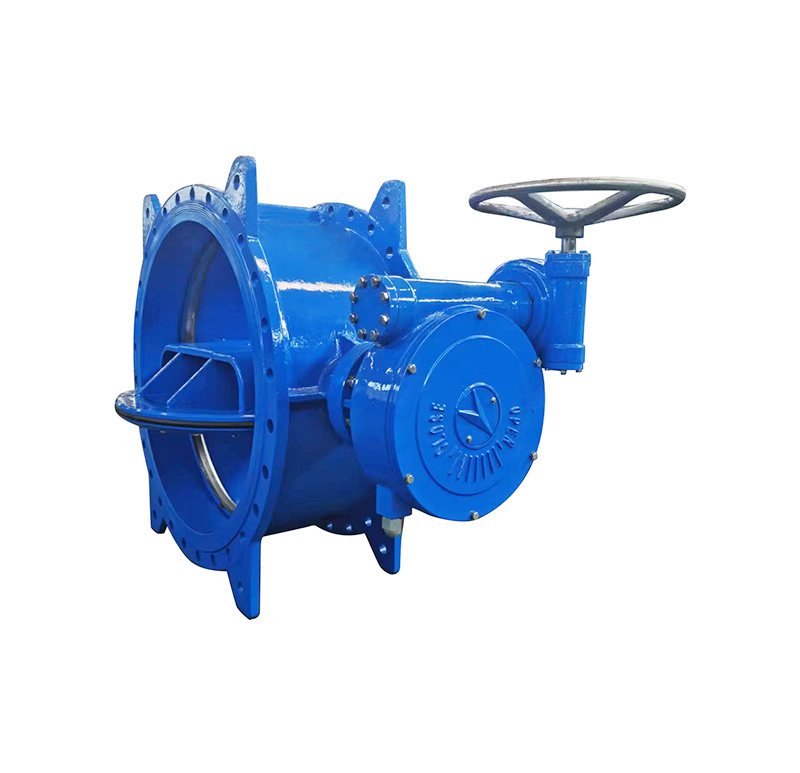
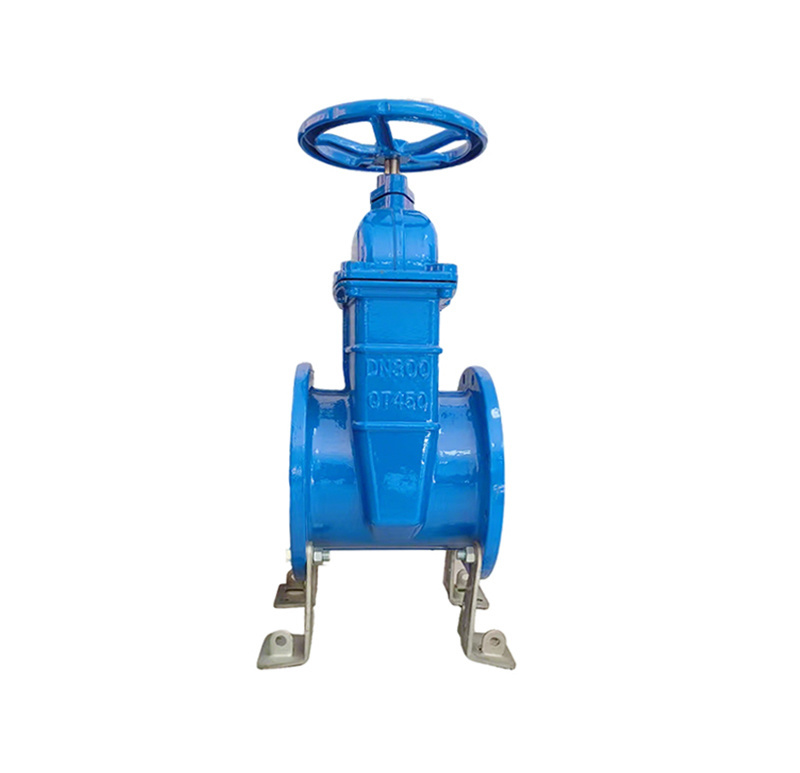
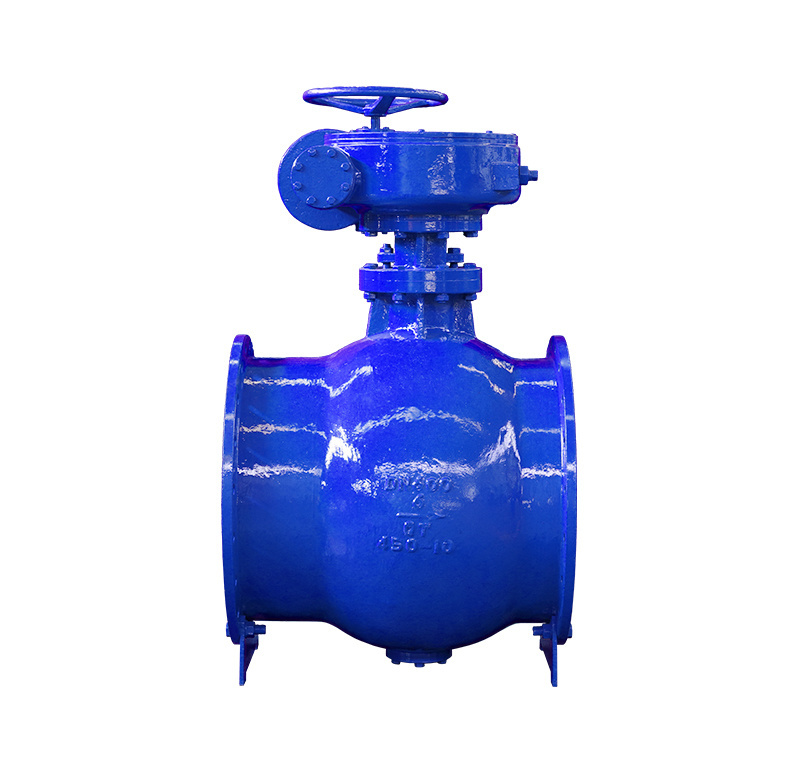
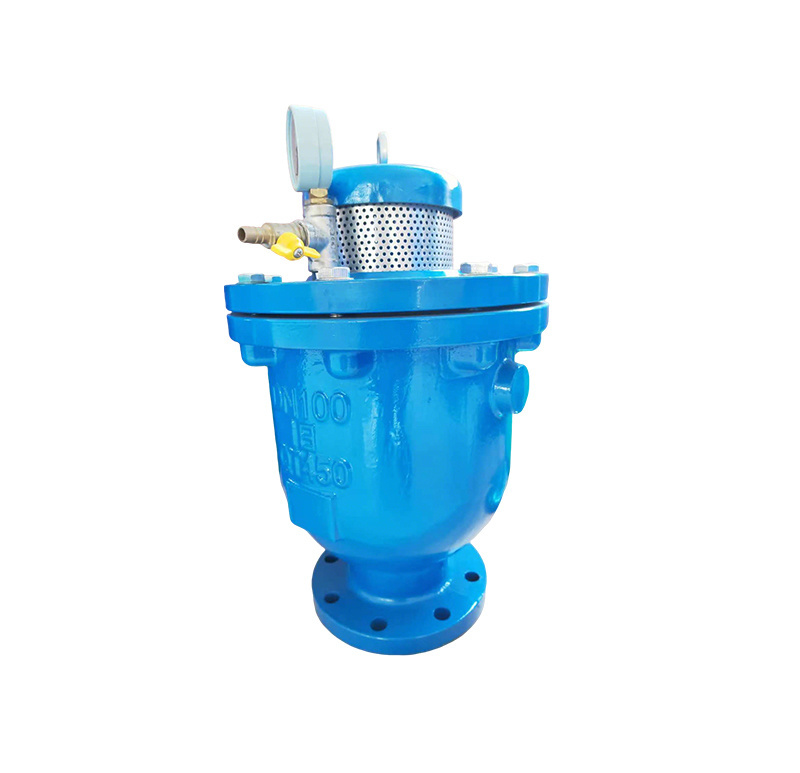
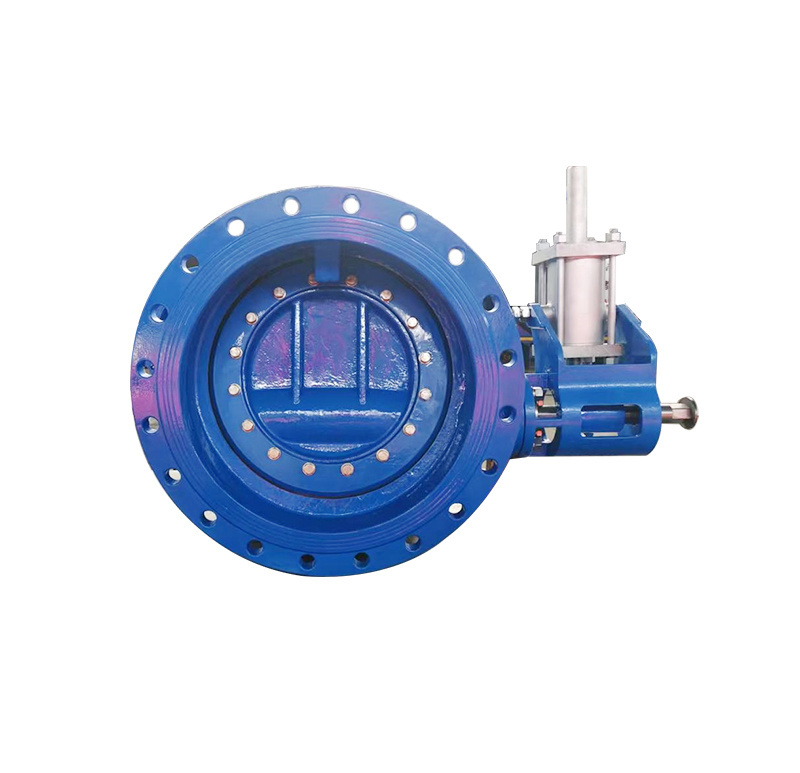
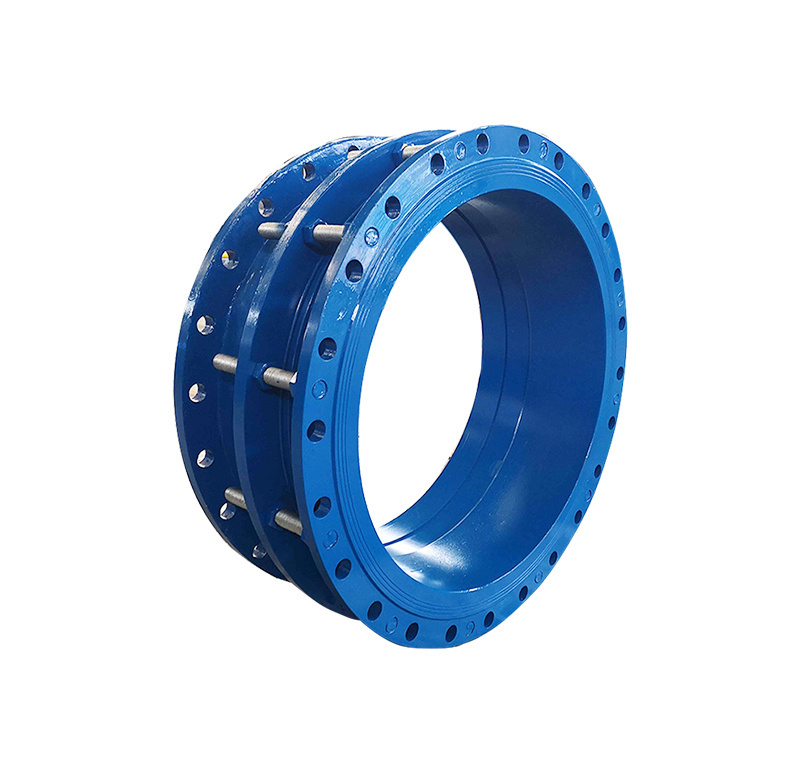
Analysis of Seawater Butterfly Valve Salt Spray Corrosion Resistance Technology
In seawater transportation, marine engineering, and coastal industrial systems, seawater butterfly valves are exposed to high salinity, high humidity, and oxygen-rich environments for extended periods, making them highly susceptible to electrochemical corrosion and salt spray erosion. Chloride ions in salt spray have extremely strong penetrating power, damaging the passivation film on metal surfaces and causing pitting corrosion, crevice corrosion, and even stress corrosion cracking. Therefore, improving the salt spray corrosion resistance of seawater butterfly valves is crucial for ensuring the safe and stable operation of the system.
From a material selection perspective, corrosion-resistant alloys are fundamental. Common valve body materials include duplex stainless steel, super duplex stainless steel, aluminum bronze, and titanium alloys. These materials exhibit strong resistance to pitting and stress corrosion in chlorine-containing environments, effectively extending valve service life. Simultaneously, the valve plate and valve shaft must also be made of high-corrosion-resistant materials to prevent structural failure due to localized corrosion.
Surface protection technology is an important supplement to salt spray corrosion resistance. Epoxy resin coatings, heavy-duty anti-corrosion coatings, and epoxy powder coating technologies can form a dense protective layer on metal surfaces, isolating seawater from direct contact with oxygen. For high-end applications, HVOF spraying or ceramic coating processes can be used to improve surface hardness and corrosion resistance. Furthermore, cathodic protection technology is widely used in large-scale seawater systems, inhibiting metal corrosion reactions through sacrificial anodes or impressed current.
Structural design also affects corrosion resistance. Optimizing the sealing structure and reducing gap space can reduce the risk of crevice corrosion; rationally designed drainage and ventilation channels help reduce salt deposition. Simultaneously, using corrosion-resistant rubber or PTFE sealing materials can prevent seawater penetration due to aging and cracking of seals.
In terms of operation and maintenance management, regular salt spray environmental monitoring and valve surface inspection are crucial. By monitoring coating integrity, fastener condition, and sealing performance, timely repairs and maintenance can significantly slow down the corrosion process. In addition, flushing system pipelines and reducing salt residue are also effective measures to extend equipment life.
The seawater butterfly valve's resistance to salt spray corrosion requires a multi-pronged approach, including material upgrades, surface protection, structural optimization, and scientific maintenance. Only by constructing a systematic anti-corrosion system can the valve be guaranteed to operate stably in harsh marine environments for a long time, providing reliable protection for marine engineering projects.


Transportation
Support air, land and sea transportation
Customization
Offering options for customers to customize
Enjoy A Discount
Customers can negotiate the purchase price

Phone/WhatsApp:
Email:


Get A Quote
Expand your business with a trusted partner