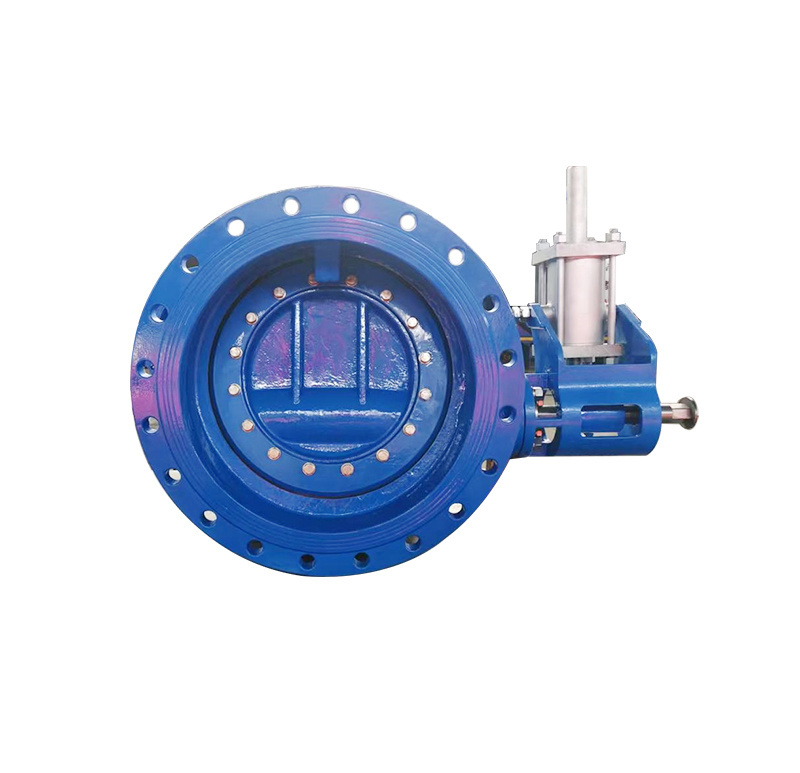
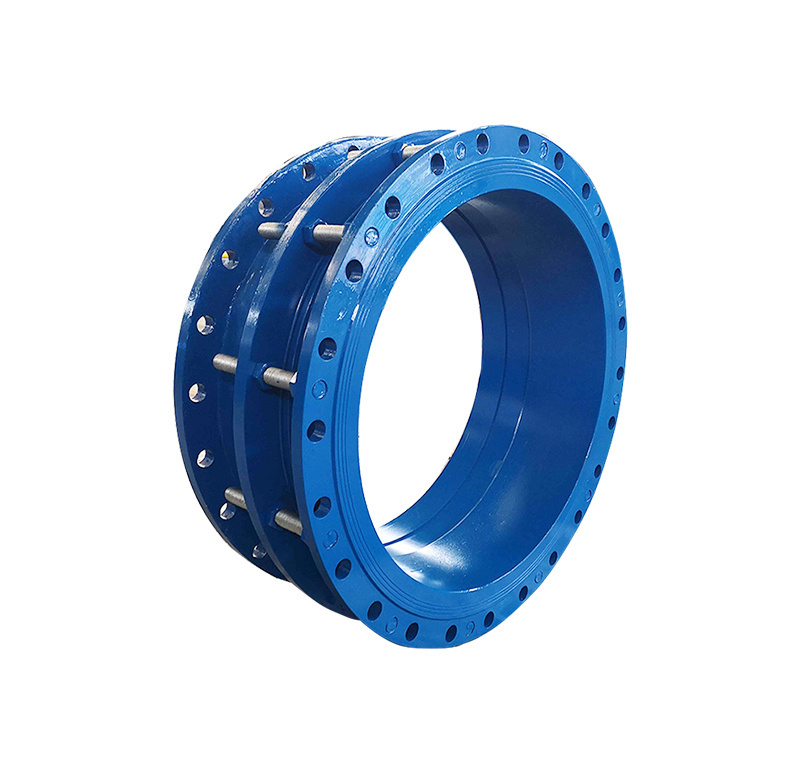
Butterfly Valve Triple Eccentric Selection Guide and Precautions
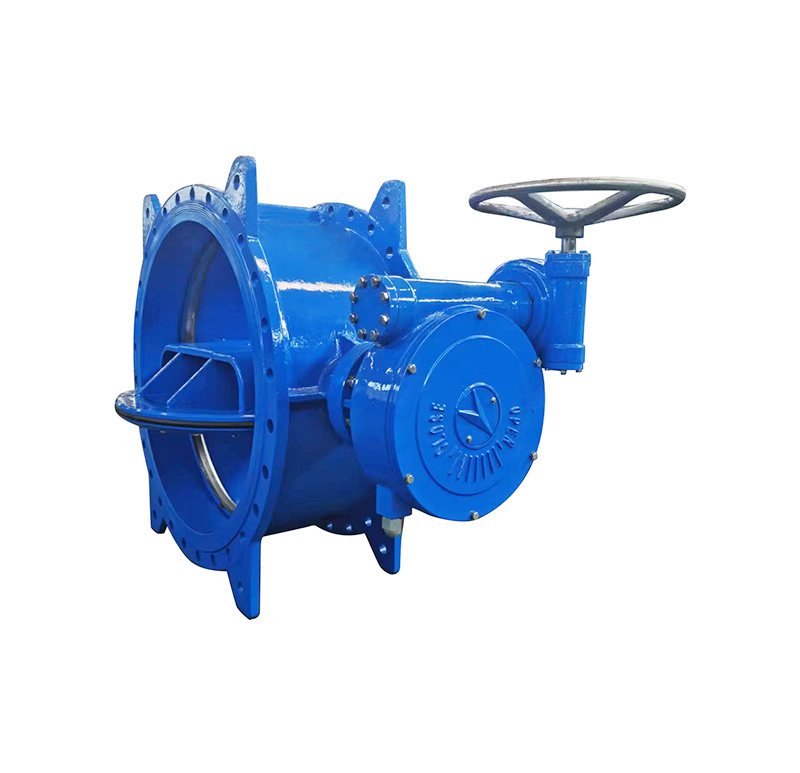
Butterfly valve triple eccentrics are widely used in petrochemical, power, metallurgical, and municipal pipeline systems due to their reliable sealing, long service life, and strong adaptability to high temperature and high pressure. Correct selection not only ensures stable system operation but also reduces maintenance costs. This article will introduce selection principles and precautions.
I. Butterfly Valve Triple Eccentric Selection Principles
Pressure Rating and Temperature Adaptability
When selecting a valve, the working pressure of the pipeline and the temperature of the medium should be considered first. Butterfly valve triple eccentrics offer a variety of sealing ring materials to adapt to high or low temperature environments. For high-temperature media, a metal hard seal type is recommended; for corrosive or low-temperature media, a polytetrafluoroethylene (PTFE) soft seal type is suitable.
Valve Body Material Matching
The valve body material must be compatible with the medium. Common materials include carbon steel, stainless steel, and alloy steel. For corrosive media, stainless steel or Teflon-lined materials are recommended to extend valve life.
Diameter and Flow Rate Requirements
The selection of the butterfly valve should be calculated based on the pipeline diameter and flow rate to ensure low flow resistance after opening, avoiding excessive valve resistance that could affect system efficiency. The butterfly valve triple eccentric's structure results in almost no flow resistance when fully open, making it particularly suitable for large-diameter applications.
Actuation Method Selection
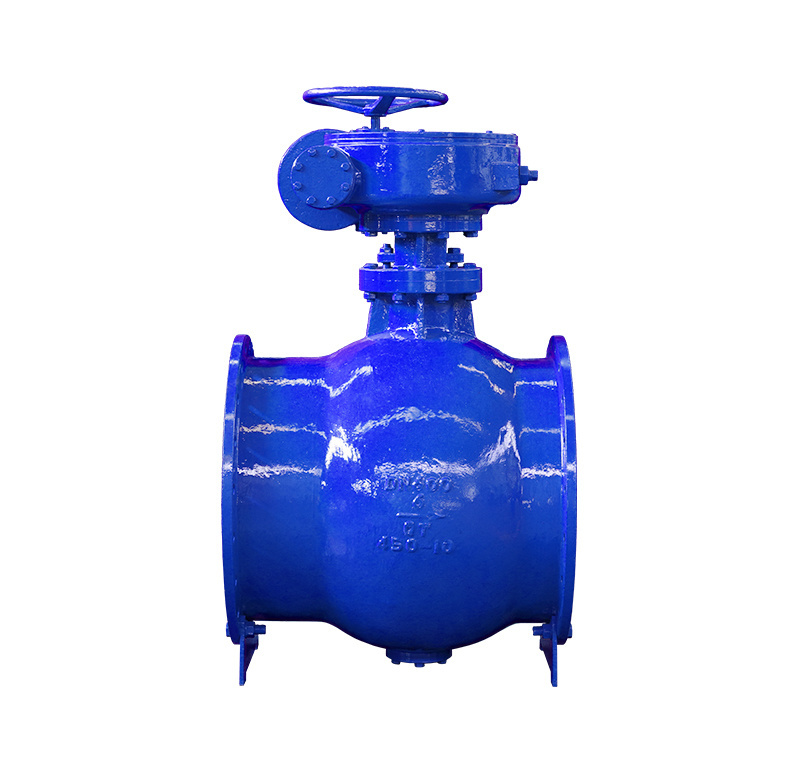
Select manual, gear-driven, or electric/pneumatic actuators based on the operating environment. For automated systems, electric or pneumatic drives allow for remote control and regulation.
II. Butterfly Valve Triple Eccentric Selection Considerations
Media Characteristics
Corrosive, easily crystallizing, or particulate media require advance consideration of seal ring and valve body protection to prevent damage to the valve sealing surface.
Installation Direction and Space
Valve installation should consider pipeline routing and space constraints to ensure convenient operation and maintenance. Sufficient space must be provided for opening and maintenance of large butterfly valves.
Maintenance
Although the butterfly valve triple eccentric has a long service life, regular inspection of the sealing surface and actuator is still necessary to ensure reliable sealing.
Standards and Certifications
Vehicle selection should comply with international or industry standards, such as API 609 and GB/T 12238, to ensure valve safety and interchangeability.
Proper selection of a butterfly triple eccentric valve requires comprehensive consideration of pressure, temperature, media characteristics, valve body material, and actuation method. Installation and maintenance must follow standard specifications to fully realize its high-performance advantages and improve system reliability.


Transportation
Support air, land and sea transportation
Customization
Offering options for customers to customize
Enjoy A Discount
Customers can negotiate the purchase price

Phone/WhatsApp:
Email:


Get A Quote
Expand your business with a trusted partner
