Analysis of the application characteristics of seawater butterfly valves in high-salinity conditions
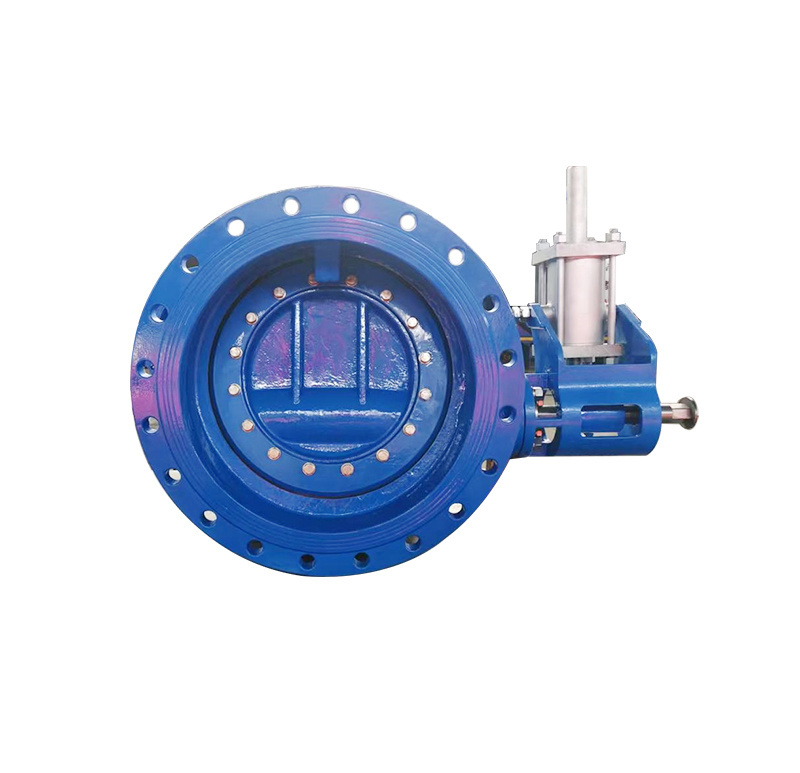
In coastal engineering, seawater desalination, power plant cooling water systems, and marine equipment, pipeline systems transport high-salinity seawater media for extended periods, placing extremely high demands on the corrosion resistance and operational reliability of valve equipment. Seawater butterfly valves, due to their compact structure, rapid opening and closing, and low flow resistance, are widely used in seawater applications, and their application characteristics in high-salinity environments are particularly noteworthy.
High-salinity seawater is rich in chloride ions, a major factor causing metal corrosion. Ordinary carbon steel valves are highly susceptible to pitting corrosion, crevice corrosion, and even stress corrosion cracking in such environments, severely impacting their service life. To adapt to high-salinity conditions, seawater butterfly valves typically utilize materials with superior corrosion resistance, such as duplex stainless steel, super duplex stainless steel, and nickel-based alloys, or incorporate corrosion-resistant linings such as rubber or fluoroplastics within the valve body cavity. These materials and structures effectively resist chloride ion erosion, ensuring the valve's stability during long-term operation.
Regarding sealing performance, high-salinity environments place high demands on the aging resistance and corrosion resistance of sealing materials. Seawater butterfly valves primarily utilize non-metallic sealing materials such as EPDM, NBR, or PTFE. These materials not only offer strong resistance to seawater corrosion but also maintain excellent sealing performance under frequent opening and closing conditions, reducing media leakage and equipment wear. Furthermore, a well-designed sealing structure reduces friction between the valve plate and seat, extending the service life of the seals.
From an operational perspective, butterfly valves offer advantages such as low opening and closing torque and fast response speed under high salinity conditions, making them particularly suitable for large-diameter seawater pipelines and automated control systems. When equipped with electric or pneumatic actuators, remote control and linked operation can be achieved, improving the overall system efficiency and safety.
To further enhance the durability of butterfly valves in high-salinity seawater, surface anti-corrosion treatment is equally important. Applying epoxy resin, anti-corrosion coatings, or thermally sprayed alloy layers can form an effective protective barrier on the metal surface, slowing down the corrosion rate and reducing maintenance frequency.
The application characteristics of seawater butterfly valves in high-salinity conditions are reflected in several aspects, including the selection of corrosion-resistant materials, reliable sealing structure, excellent operational performance, and comprehensive anti-corrosion measures. Through scientific selection and reasonable design, butterfly valves can achieve long-term stable operation in harsh seawater environments, providing strong protection for the safety and efficiency of seawater engineering systems.


Transportation
Support air, land and sea transportation
Customization
Offering options for customers to customize
Enjoy A Discount
Customers can negotiate the purchase price

Phone/WhatsApp:
Email:


Get A Quote
Expand your business with a trusted partner