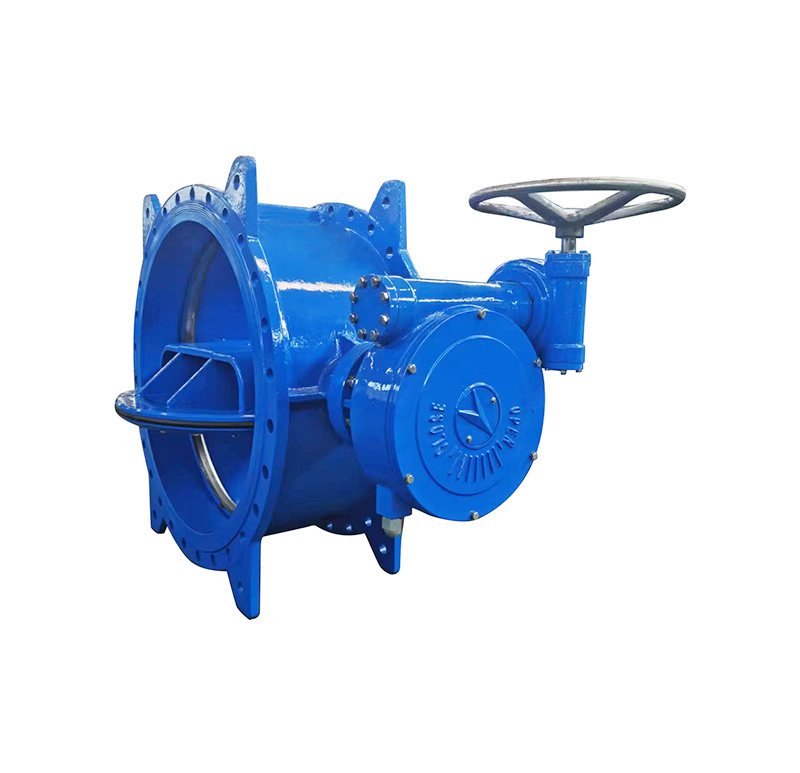
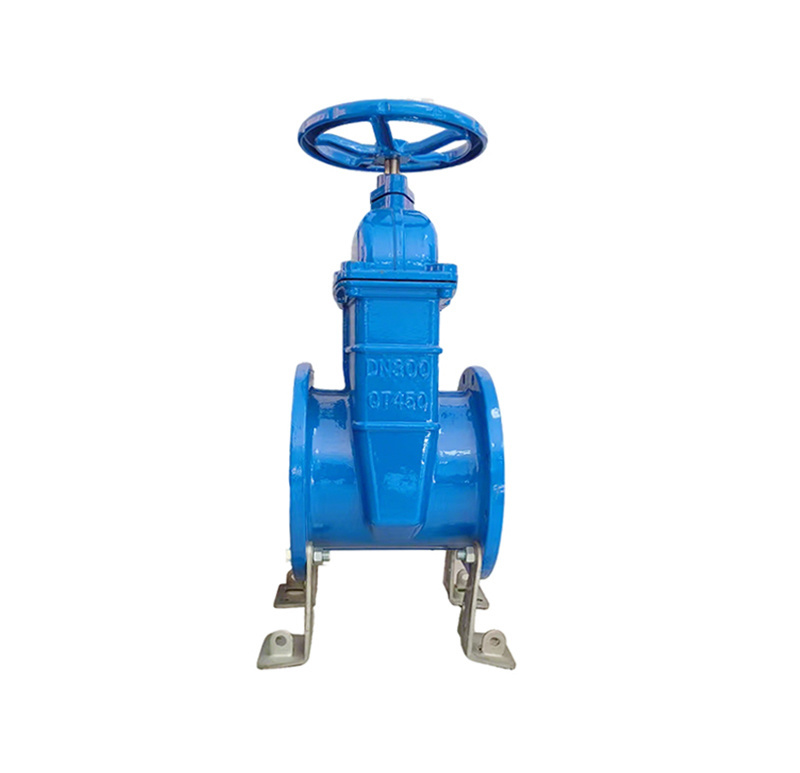
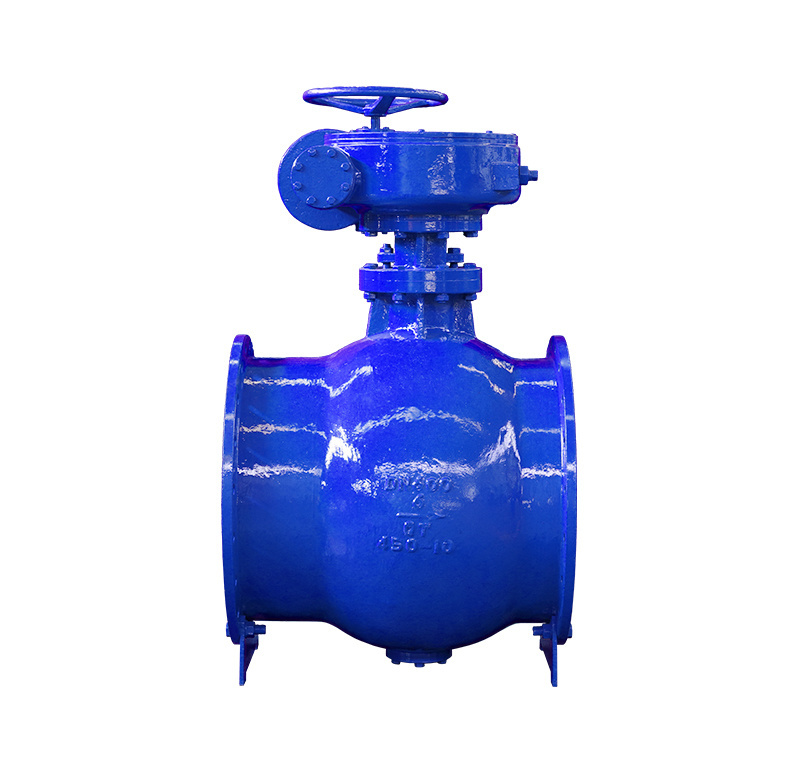
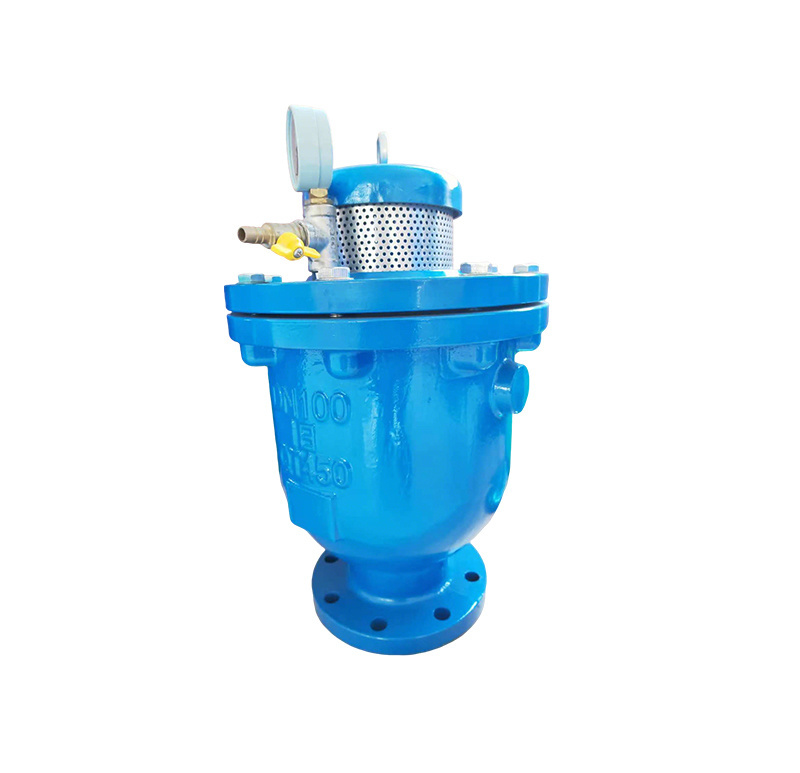
Comparison of Full-Bore and Reduced-Bore Eccentric Hemisphere Valves: Advantage Analysis and Selection Guide
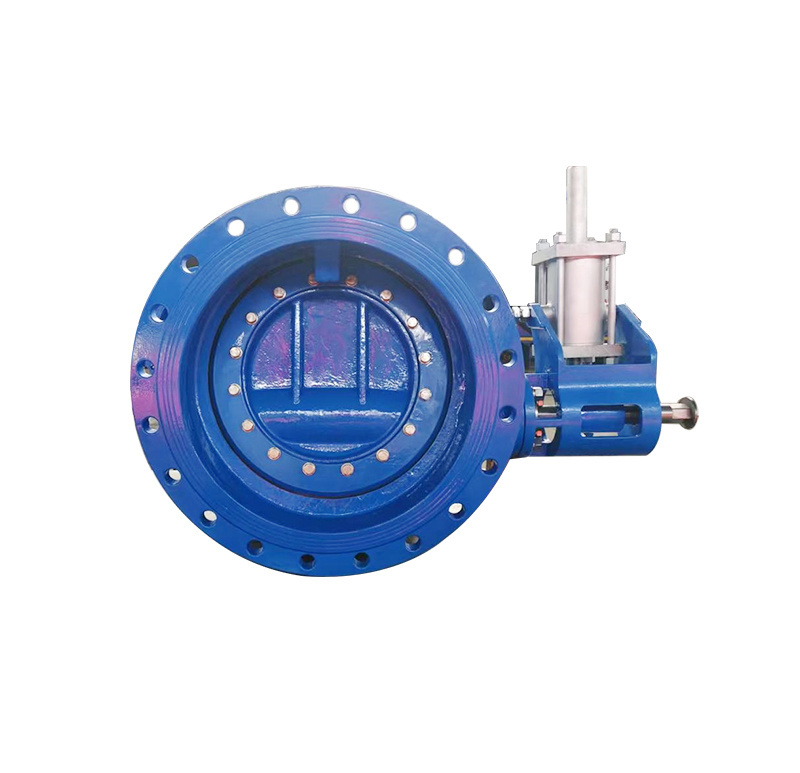
In industrial piping systems, eccentric hemispherical valves are favored because… Frictionless opening and closing, strong self-cleaning shear performance, and long sealing life. and other characteristics, it is widely used in industries such as water treatment, power generation, metallurgy, and petrochemicals. However, during the equipment selection process, engineers often face a critical decision: Should you choose a full-bore or reduced-bore eccentric hemispherical valve?
This article will provide an in-depth analysis of the respective advantages and selection criteria of the two, examining them across four dimensions: structural differences, performance characteristics, cost-effectiveness, and typical application scenarios.
I. Quick Definition and Core Differences
Full-bore eccentric hemispherical valve: The valve’s internal diameter is identical to that of the connected pipeline (equal‑diameter). As a result, there is no cross‑sectional constriction when fluid flows through the valve, and flow resistance is minimal.
Reduced-diameter eccentric hemispherical valve: The internal flow passage diameter of the valve is smaller than the pipe’s inner diameter—typically 1 to 2 nominal sizes smaller. As the fluid flows through, localized contraction and expansion occur.
II. Core Performance and Parameter Comparison
| Performance Metrics | Full-bore eccentric hemispherical valve | Reduced-diameter eccentric hemispherical valve |
|---|---|---|
| Friction factor | Extremely high (The flow resistance is nearly equivalent to that of a straight pipe of the same length.) | Lower (There are local head losses.) |
| Pipeline pressure drop | Extremely low, with significant energy-saving performance. | Slightly higher |
| Anti-clogging / Anti-scaling | Excellent (No dead zones in media accumulation) | Poor (particle deposition is likely to occur at the diameter transition) |
| Pipeline cleaning capability (PIGging) | Support | Not supported |
| Switch torque requirement | Relatively large | Smaller (Reduce actuator costs) |
| Volume and Weight | Larger and heavier | Lightweighting , takes up little space |
| Procurement and Manufacturing Costs | Relatively high | Great value for money |
III. Advantages and Application Scenarios of Full-Bore Eccentric Hemisphere Valves
Core Advantages
Ultimate fluid efficiency and low energy consumption: The straight-through flow path design minimizes head loss, enabling substantial energy savings in high‑flow pumping systems over long-term operation.
Outstanding anti-clogging and self-cleaning shear force: At the moment of opening, the eccentric hemisphere shifts away from the valve seat; combined with the full-bore flow path, suspended particles, fibers, or sediment can pass through smoothly without accumulating in the valve cavity.
Meets the requirements for pigging operations: For pipelines that require periodic pigging or pipeline cleaning, full-bore is the only option.
Recommended Use Cases
Wastewater Treatment and Sludge Transportation: Inlet and outlet pipelines of the wastewater treatment plant, aeration systems, and pipelines conveying high-solids sludge or mineral slurries.
Long-distance water diversion and main supply trunk lines: Urban water supply systems and large-diameter industrial circulating‑water main lines that impose stringent control requirements on pipeline pressure drop.
High-viscosity and easily crystallizing media: Pulp slurry, metallurgical tailings, and petrochemical particle-laden media pipelines.
IV. Advantages and Application Scenarios of Reduced-Diameter Eccentric Hemisphere Valves
Core Advantages
Significantly reduce equipment procurement costs: Due to the reduced dimensions of the ball and valve body, steel consumption is lowered, resulting in a particularly pronounced cost advantage for large-diameter valves (e.g., DN500 and above).
Reduce operating torque and drive costs: The effective sealing radius is reduced, lowering the required operating torque by 20% to 35% and enabling compatibility with smaller‑size electric or pneumatic actuators.
Lightweight and Space-Friendly: It is lightweight, making it easy to install on-site, lift, and deploy in confined spaces.
Recommended Use Cases
Cleaning of Fluid and Gas Pipelines: Potable water supply pipelines, as well as pipelines for particulate-free industrial gases or low-viscosity liquids.
Flow Regulation and Branch Pipelines: Permits branch systems on non‑main roads that allow for a certain pressure drop and require fine‑tuning of flow rates.
High-pressure, low-flow, or budget‑sensitive applications: Renovation project involving large-diameter pipelines where the actual flow demand has not yet reached the maximum capacity.
VI. Frequently Asked Questions (FAQ)
Q1: Will a reduced‑diameter eccentric hemispherical valve significantly affect pipeline flow?
A: It will result in a certain increase in flow velocity and pressure drop ( $\Delta P$ ) Increase. If the piping system is designed with sufficient pressure margin and the fluid is clean, the impact of diameter reduction on overall flow rate remains within a controllable range.
Q2: In wastewater treatment plant projects, why is the use of full-bore eccentric hemispherical valves strongly recommended?
A: Wastewater contains large amounts of debris, textile fibers, and sediment. The steps inside reduced‑bore valves and the constricted sections of the flow path are prone to vortex formation, which can lead to the deposition and blockage of suspended solids, thereby increasing downtime and maintenance costs. A full‑bore design ensures unobstructed passage with “zero clogging.”
Q3: Compared with a conventional ball valve, what is the most significant difference of an eccentric hemispherical valve?
A: Eccentric hemispherical valves, employing a double‑eccentric or triple‑eccentric design, achieve “separation upon opening and contact only upon closing,” thereby overcoming the drawbacks of conventional ball valves—namely, rapid wear of the sealing surfaces and high operating torque—and are particularly well suited for harsh service conditions involving particulate matter.
               ┌───────────────────────────┐
 │ Does the medium contain particles/fibers/sludge?│
 └─────────────┬─────────────┘
 │
 ┌───────────────┴───────────────┐
 ▼ ▼
 [Yes] [No]
 │ │
 ▼ ▼
 Selection: Full-bore eccentric hemispherical valve ┌───────────────────────────┐
 (Anti‑clogging/Low flow resistance/Long service life) │ Do you require PIG ball passage/strict pressure drop?│
 └─────────────┬─────────────┘
 │
 ┌───────────────┴───────────────┐
 ▼ ▼
 [Yes] [No]
 │ │
 ▼ ▼
 Selection: Full-bore eccentric hemispherical valve Selection: Reduced‑bore eccentric hemispherical valve
 (Cost‑effective/Low torque/Space‑saving)
Previous


Transportation
Support air, land and sea transportation
Customization
Offering options for customers to customize
Enjoy A Discount
Customers can negotiate the purchase price

Phone/WhatsApp:
Email:


Get A Quote
Expand your business with a trusted partner
