A Guide to Avoiding Pitfalls When Purchasing Seawater Butterfly Valves
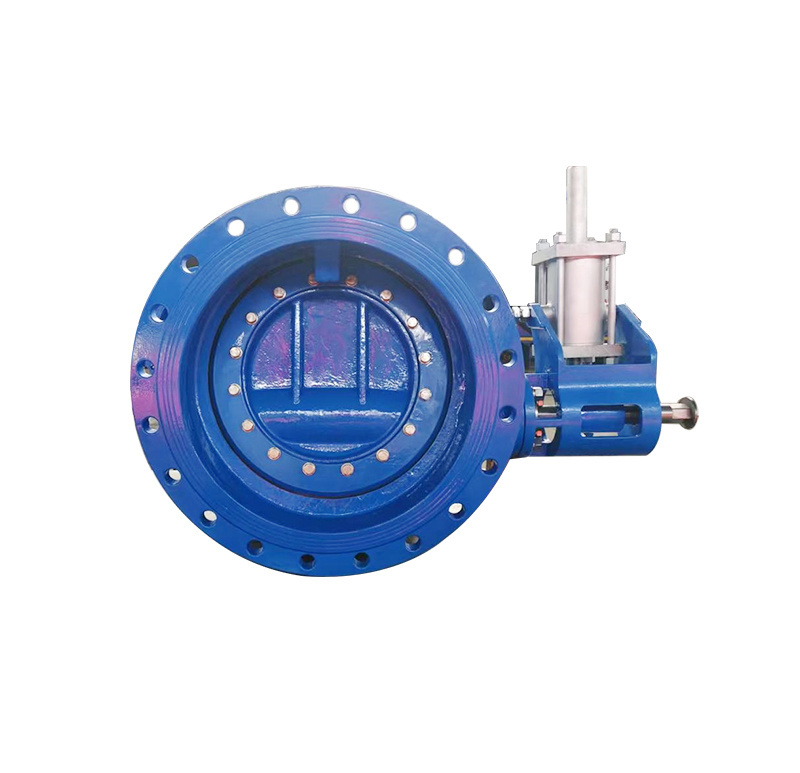
In fields such as seawater desalination, marine engineering, and coastal power plants, seawater butterfly valves serve as critical components for controlling fluid flow. Given the high salinity and extreme corrosiveness of seawater, the proper selection and quality of these butterfly valves directly impact the safety and operational lifespan of the entire system. Improper selection not only drives up maintenance costs but can also trigger severe operational failures. As a professional manufacturer, Zhongnan Valve has compiled a practical guide to help you avoid common pitfalls when making a purchase.
Seawater environments impose extremely rigorous demands on materials; consequently, standard cast iron or carbon steel valves are ill-suited for long-term use in such conditions. It is highly recommended to prioritize materials with exceptional corrosion resistance—such as duplex stainless steel, aluminum bronze, or fluoropolymer-lined materials. These materials effectively withstand chloride ion corrosion, thereby extending the operational life of the valves. Never base your decision solely on price while neglecting material quality; doing so will inevitably result in significantly higher replacement costs down the line.
The sealing performance of a butterfly valve directly determines the operational stability of the system. For seawater applications, it is essential to select sealing materials that offer both abrasion and corrosion resistance, such as EPDM or PTFE. Furthermore, pay close attention to the design of the sealing structure to ensure it is sound and capable of maintaining a reliable seal over the long term. Substandard sealing components are prone to premature aging and cracking, leading to frequent leakage issues.
Beyond the base material itself, the surface treatment process is equally critical. High-quality seawater butterfly valves typically feature advanced surface treatments—such as epoxy coatings, anti-corrosion spray layers, or specialized paint systems—to further enhance their resistance to corrosion. When making a purchase, inquire about the coating thickness, adhesion strength, and compliance with relevant industry standards to avoid the trap of a product that "looks good but performs poorly."
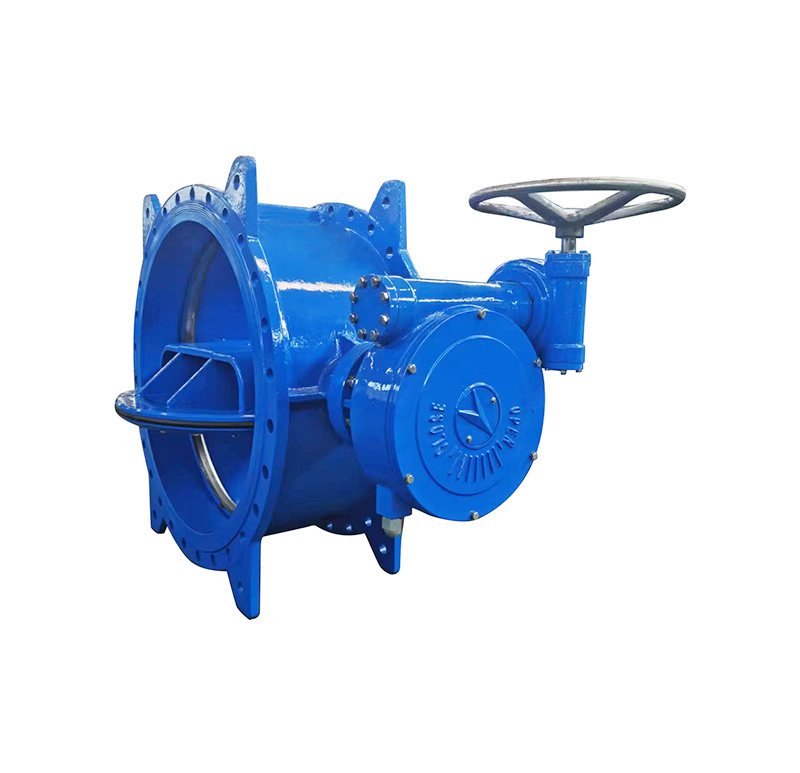
Different application scenarios impose varying requirements on butterfly valves—specifically regarding factors such as pressure ratings, temperature ranges, and actuation frequency. During the selection process, it is imperative to clearly define the actual operating conditions and choose the appropriate valve configuration (e.g., concentric butterfly valves, double-eccentric butterfly valves, etc.). A mismatch between the valve design and the application requirements can lead to sluggish operation or even premature structural failure.
The quality of seawater butterfly valves available on the market varies significantly; therefore, it is crucial to select a manufacturer with proven production expertise and a robust quality control system. Reputable manufacturers typically provide comprehensive inspection reports and technical support, thereby helping to mitigate operational risks.
Even if you have invested in a high-quality product, improper installation or a lack of routine maintenance can compromise its performance. It is strongly recommended to adhere to standard installation protocols and to conduct periodic inspections of the sealing components and anti-corrosion coatings to ensure timely and effective maintenance.
Selecting a seawater butterfly valve is a comprehensive undertaking that encompasses various aspects, including material composition, structural design, and anti-corrosion treatments. Only by conducting a thorough assessment—while taking actual operating conditions into account—can one avoid common pitfalls, select a truly reliable product, and thereby ensure the long-term, stable operation of the system.


Transportation
Support air, land and sea transportation
Customization
Offering options for customers to customize
Enjoy A Discount
Customers can negotiate the purchase price

Phone/WhatsApp:
Email:


Get A Quote
Expand your business with a trusted partner
