How API 609 Butterfly Valves Mitigate Leakage Risks
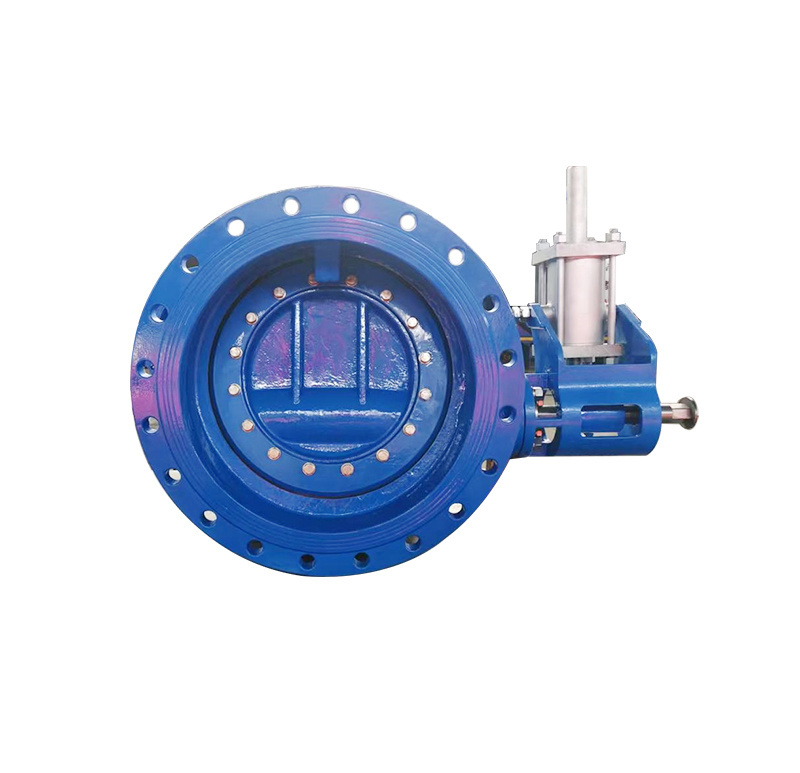
In industrial systems—such as those found in the petroleum, chemical, power generation, and natural gas sectors—the sealing performance of valves directly determines the safety and stability of the entire pipeline system. Compared to standard butterfly valves, API 609 butterfly valves stand out in their ability to mitigate leakage risks, thanks to their adherence to stricter manufacturing standards and their more robust structural designs; consequently, they are widely deployed in environments characterized by high temperatures, high pressures, and other severe operating conditions.
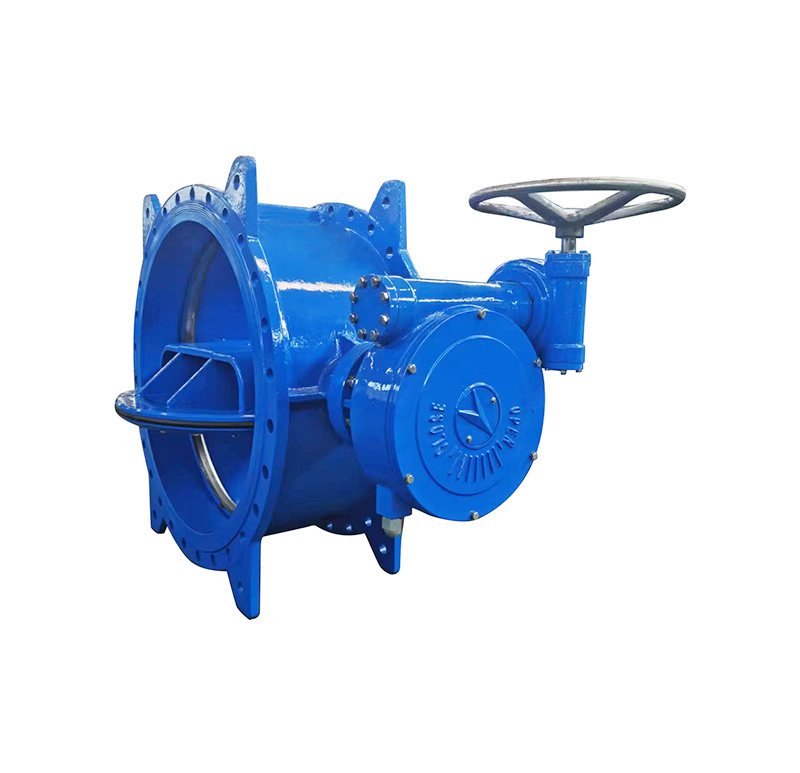
API 609 butterfly valves feature high-precision sealing structures that effectively enhance the valves' overall sealing performance. In particular, designs utilizing double-offset or triple-offset geometries serve to minimize friction between the valve disc and the seat. This design reduces wear on the sealing surfaces during opening and closing operations, thereby preventing leakage issues that might otherwise arise after prolonged use. Such structural configurations not only bolster sealing reliability but also effectively extend the operational lifespan of the valves.
Material selection constitutes another critical factor in mitigating leakage risks. High-quality API 609 butterfly valves are typically manufactured using stainless steel, alloy steel, or specialized corrosion-resistant materials, enabling them to withstand environments involving high temperatures, high pressures, and corrosive media. The use of premium materials not only enhances the valve's overall structural integrity but also prevents sealing failures that could result from corrosion, material aging, or deformation.
During the manufacturing process, API 609 butterfly valves must strictly adhere to API standards, which impose rigorous requirements regarding machining precision, pressure testing, and sealing performance. Prior to leaving the factory, these valves typically undergo airtightness and strength tests to ensure they can maintain a stable seal under actual operating conditions. This stringent quality control system significantly reduces the risk of leakage during operation.
Proper installation and maintenance are equally indispensable. Even the highest-performing API 609 butterfly valve may develop leaks if installed incorrectly or if subjected to prolonged periods of neglect. Therefore, during operation, it is essential to conduct periodic inspections of the sealing surfaces, actuators, and connection points, and to promptly replace any worn components to ensure the valve's long-term, stable operation.
As industrial systems face ever-increasing demands for safety and environmental protection, API 609 butterfly valves—distinguished by their exceptional sealing performance and reliability—are becoming a pivotal asset for an increasing number of enterprises seeking to mitigate leakage risks and enhance overall system stability.


Transportation
Support air, land and sea transportation
Customization
Offering options for customers to customize
Enjoy A Discount
Customers can negotiate the purchase price

Phone/WhatsApp:
Email:


Get A Quote
Expand your business with a trusted partner
