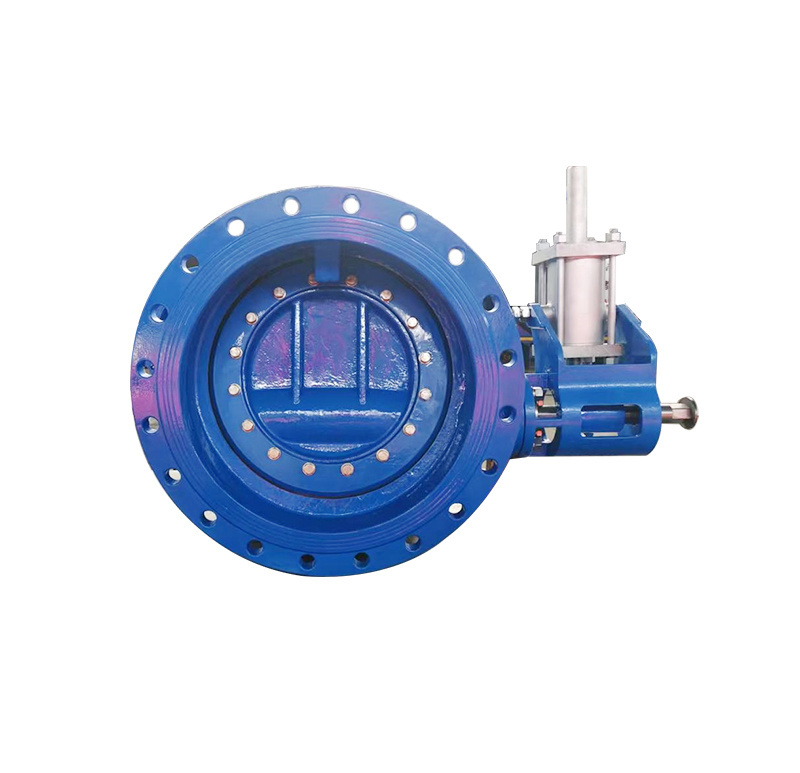
The Stability of DN3000 butterfly valve water in Long-Distance Water Transmission Pipelines
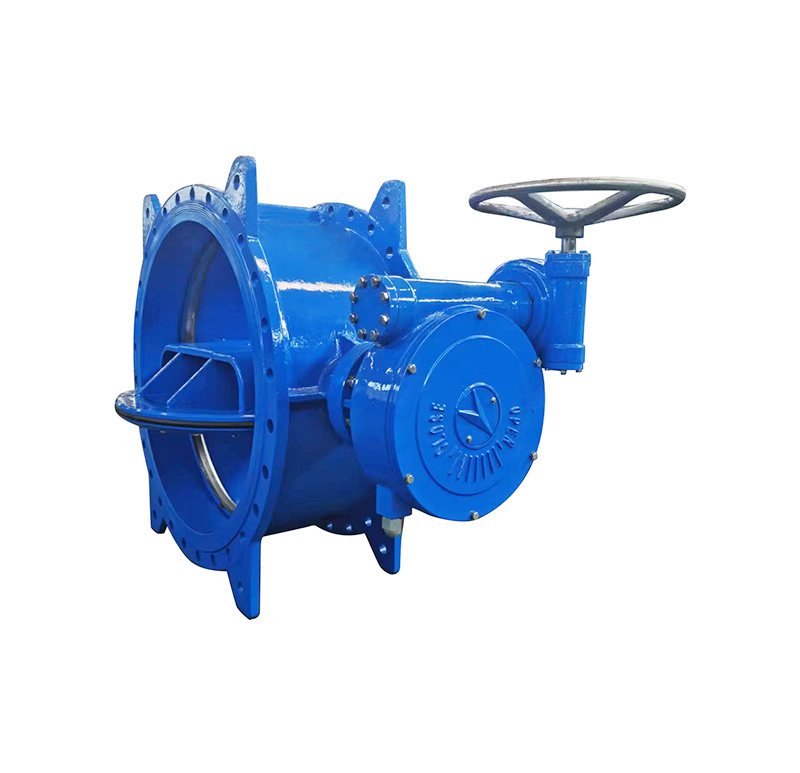
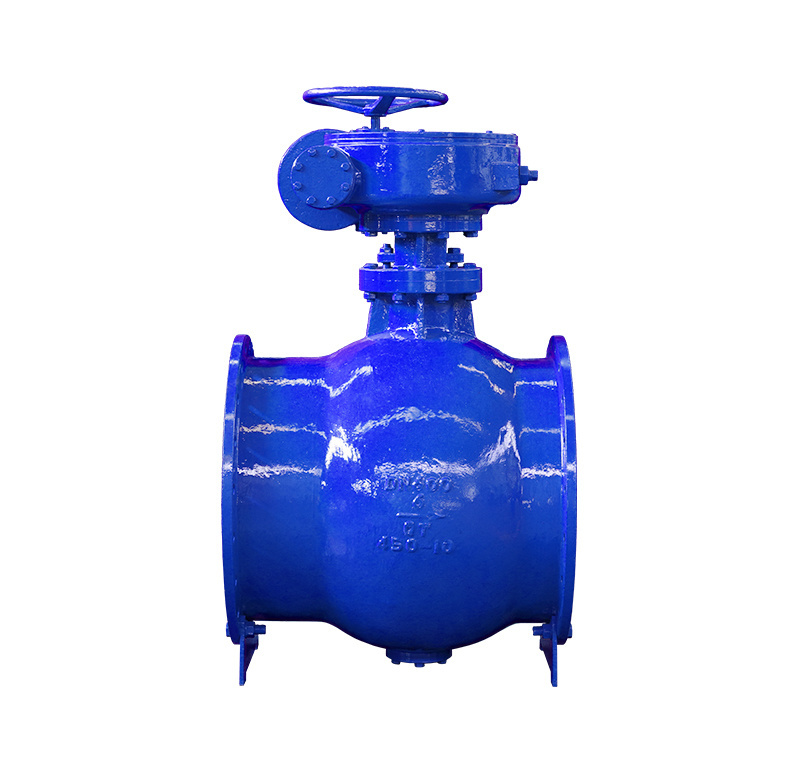
In long-distance water transmission pipeline systems, the DN3000 butterfly valve water serves as a critical control device; its operational stability directly impacts the safety and water supply efficiency of the entire transmission project. Due to the large pipe diameter, high flow rates, and complex pressure fluctuations involved, these butterfly valves are susceptible to various factors under actual operating conditions—such as water hammer shocks, vibrations, and uneven sealing loads—thereby imposing stringent requirements on their stability.
During the long-distance water transmission process, the most common issue encountered is the water hammer effect. When pumping stations start or stop, or when valves undergo rapid adjustment, sudden changes in water flow velocity within the pipeline generate instantaneous high-pressure surges. These surges can easily induce vibration in the valve disc and, in severe cases, cause damage to the sealing surfaces. To address this issue, control strategies can be optimized—for instance, by employing slow-closing actuators, implementing staged opening and closing controls, and incorporating pressure-stabilizing devices—to effectively mitigate the impact of pressure fluctuations on the DN3000 butterfly valve water.
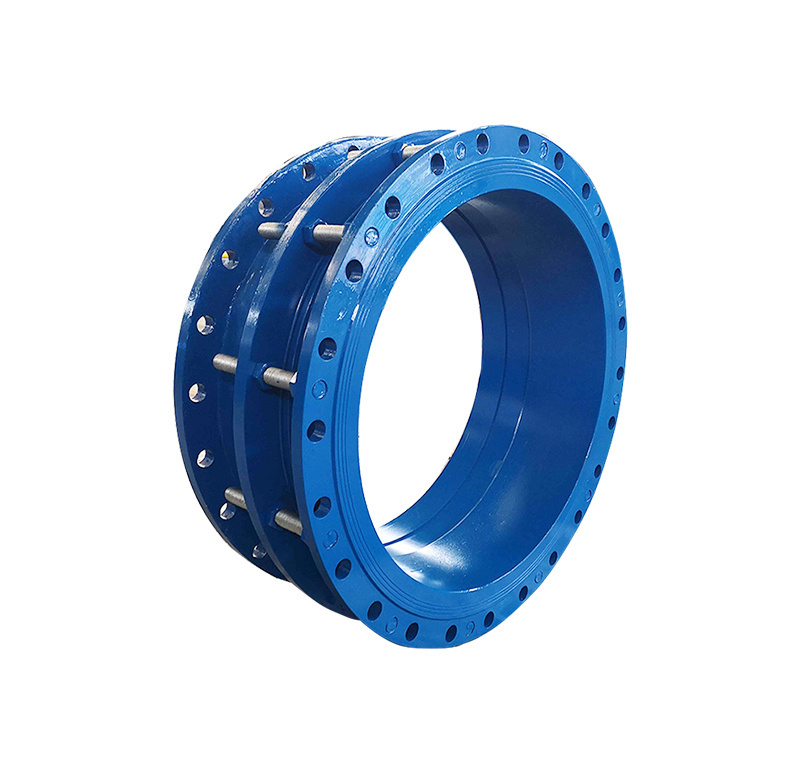
Given the extensive spans and complex support conditions characteristic of long-distance pipelines, factors such as thermal expansion and contraction of the pipes themselves, as well as foundation settlement, can lead to uneven stress distribution on the valve body. This, in turn, may compromise sealing performance. Consequently, during the installation phase, it is essential to ensure precise alignment of the pipelines on both sides of the butterfly valve. Furthermore, the strategic placement of flexible joints or expansion compensators is necessary to minimize the transmission of external stresses to the valve body structure.
When DN3000 butterfly valves operate over extended periods under high-flow conditions, the issue of wear between the valve disc and the sealing ring cannot be overlooked. Selecting wear-resistant rubber sealing materials and optimizing the aerodynamic design of the valve disc can effectively reduce material loss caused by fluid erosion, thereby extending the valve's service life.
In terms of operational management, conducting periodic torque inspections and continuous monitoring of the sealing status are equally vital. By utilizing intelligent monitoring systems to acquire real-time data on valve opening positions, pressure levels, and vibration patterns, potential anomalies can be detected in advance, thereby preventing sudden operational failures.
The stability of DN3000 butterfly valve water in long-distance water transmission pipelines depends not only on the structural design and material selection of the product itself but, more importantly, on system-level hydraulic control and scientific operational maintenance management. Only through the synergistic optimization of these three stages—design, installation, and operation/maintenance—can the long-term, stable, and reliable performance of these valves be guaranteed under complex operating conditions.


Transportation
Support air, land and sea transportation
Customization
Offering options for customers to customize
Enjoy A Discount
Customers can negotiate the purchase price

Phone/WhatsApp:
Email:


Get A Quote
Expand your business with a trusted partner
