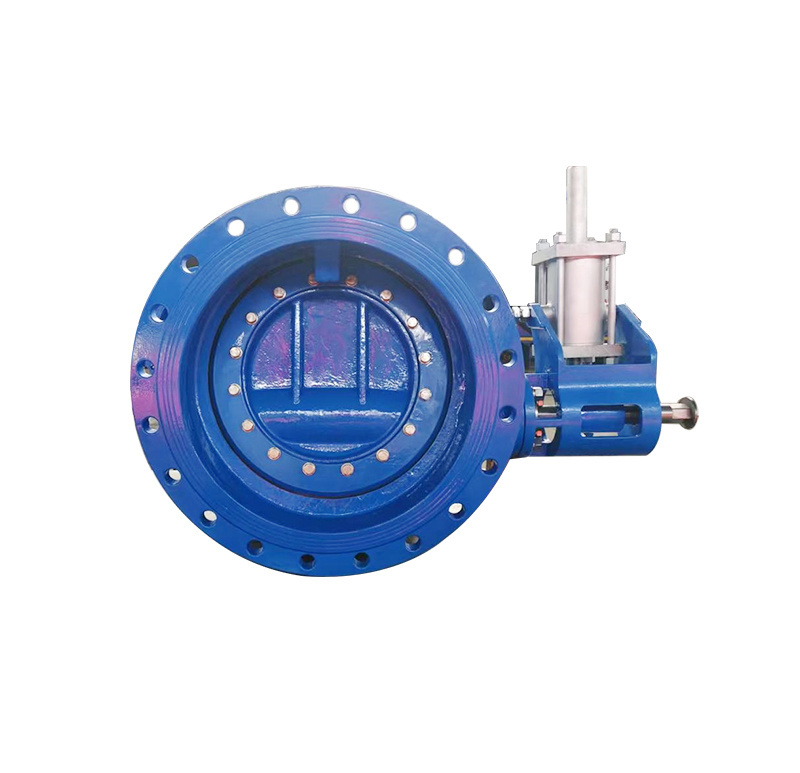
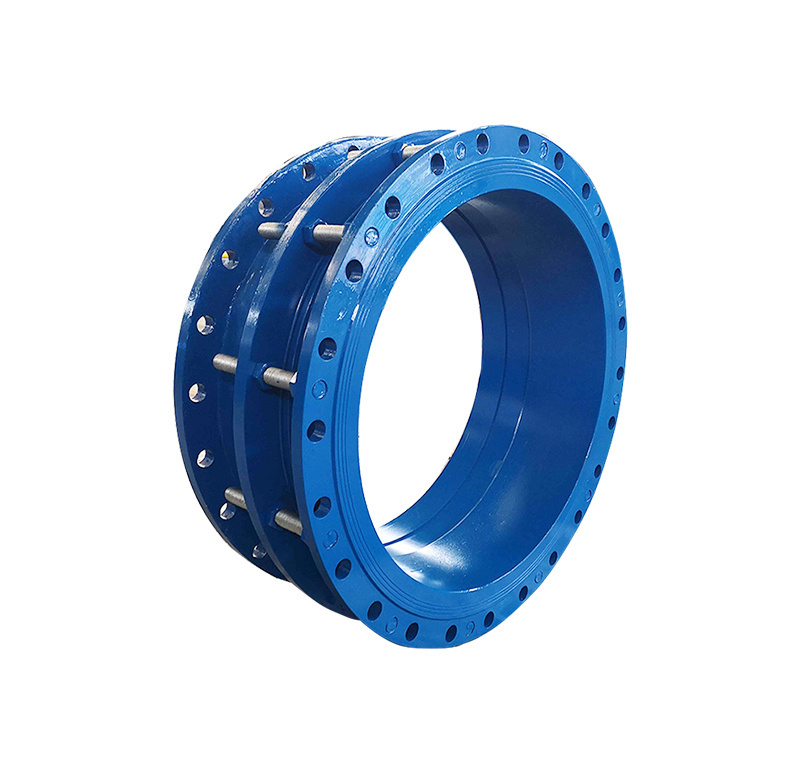
Analysis of Failure Causes and Solutions for Seawater Butterfly Valves
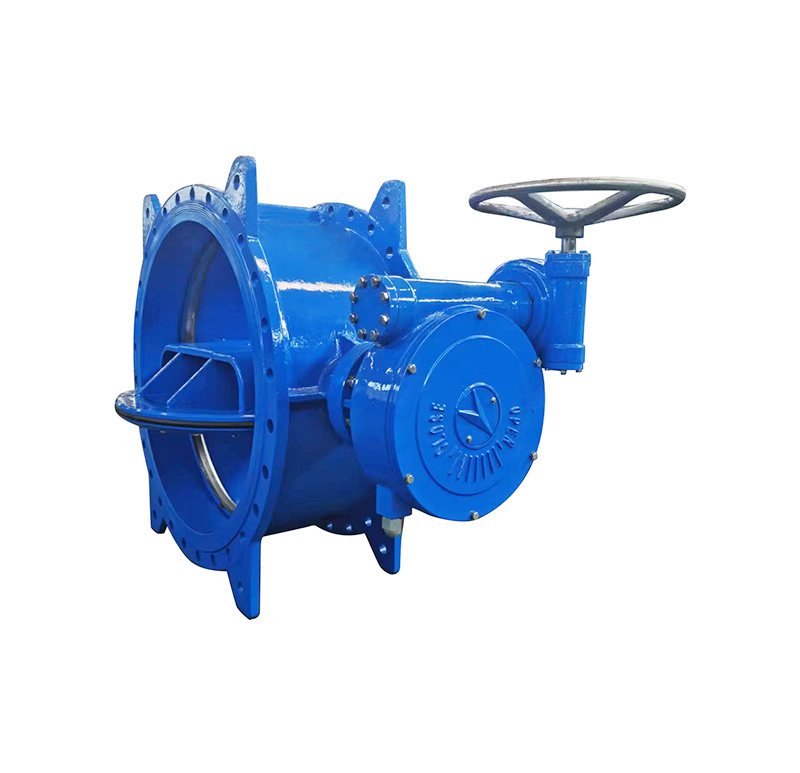
In seawater conveyance, desalination, and marine engineering systems, seawater butterfly valves play a critical role in fluid control. Given the high salinity and strong corrosiveness of seawater, these valves are highly susceptible to various issues during long-term operation. As a company specializing in the manufacturing and application of industrial valves, Zhongnan Valve has accumulated extensive experience through practical projects; we have systematically summarized and analyzed common failures associated with seawater butterfly valves to identify optimal solutions.
I. Common Failure Types
In practical applications, common issues encountered with seawater butterfly valves primarily include: seal leakage, valve body corrosion, difficulty in opening or closing, and actuator failure. Among these, a decline in sealing performance is the most prevalent issue; once it occurs, it directly impacts system pressure and flow control, potentially even creating safety hazards during operation.
II. Analysis of Failure Causes
1. Impact of Corrosion Factors
Seawater contains a high concentration of chloride ions, which are highly corrosive to metal materials. If the valve body or disc is constructed from unsuitable materials—such as standard carbon steel or lower-grade stainless steel—it becomes susceptible to issues like pitting corrosion and crevice corrosion, thereby compromising structural integrity.
2. Aging or Damage of Sealing Components
Seawater butterfly valves typically utilize rubber or PTFE sealing rings. Under prolonged exposure to high pressure and corrosive environments, these sealing materials are prone to aging, deformation, or even cracking, ultimately resulting in leakage.
3. Impurity Accumulation and Jamming
Seawater often contains sediment, microorganisms, and shell fragments. When these impurities enter the valve cavity, they can cause the valve disc to jam or lead to wear on the sealing surfaces, thereby impairing the valve's operational flexibility.
4. Improper Operation and Maintenance
Prolonged operation involving high-frequency opening and closing cycles or excessive loads can accelerate component wear. Furthermore, a lack of regular maintenance and inspection can lead to sluggish response times or even complete failure of the valve actuator.
III. Targeted Solutions
1. Optimized Material Selection
It is recommended to prioritize the use of corrosion-resistant materials—such as duplex stainless steel or aluminum bronze—or to apply anti-corrosion coatings to critical components. This approach enhances the valve's resistance to seawater corrosion at the source.
2. Enhanced Sealing Performance
Utilize sealing materials with superior seawater resistance—such as EPDM or reinforced PTFE—and establish a mechanism for their periodic replacement to ensure long-term, stable sealing integrity.
3. Enhanced Filtration and Cleaning
Install filtration devices upstream in the pipeline to minimize the ingress of impurities into the valve body; concurrently, flush the system periodically to prevent the accumulation of sediment.
4. Standardized Installation and Maintenance
During installation, ensure that the valve and the pipeline are perfectly coaxial to prevent stress misalignment; during operation, implement a standardized maintenance plan involving periodic inspection and servicing of critical components.
Failures in seawater butterfly valves are typically the result of the combined effects of factors such as corrosion, seal degradation, and the operating environment. Through scientific material selection, structural optimization, and standardized maintenance management, it is possible to effectively reduce failure rates and extend service life. Drawing upon practical engineering experience, Zhongnan Valve recommends that enterprises establish a comprehensive preventive maintenance system to ensure the long-term, stable operation of equipment and to reduce overall operating costs.


Transportation
Support air, land and sea transportation
Customization
Offering options for customers to customize
Enjoy A Discount
Customers can negotiate the purchase price

Phone/WhatsApp:
Email:


Get A Quote
Expand your business with a trusted partner
