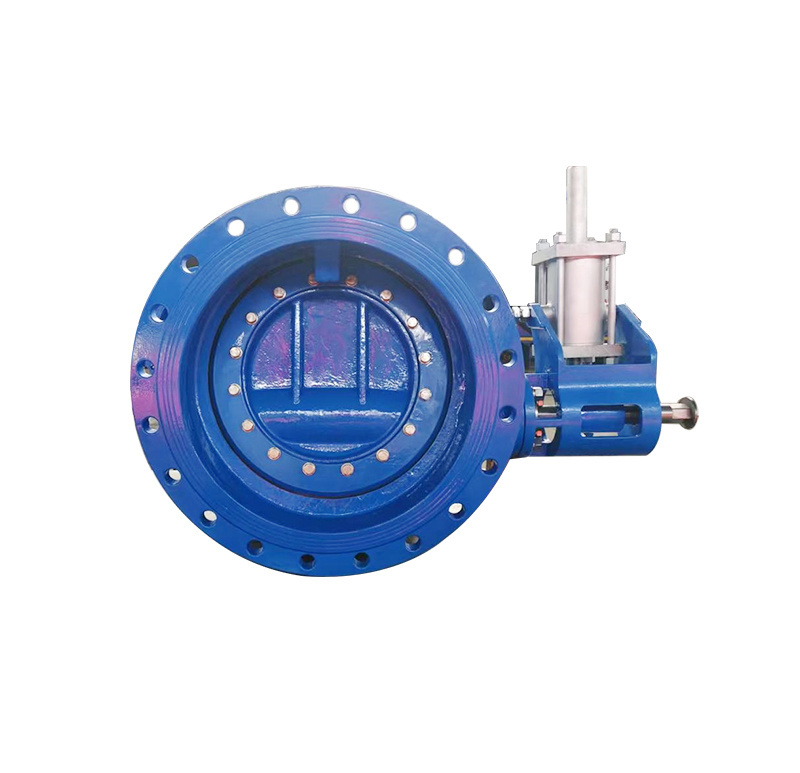
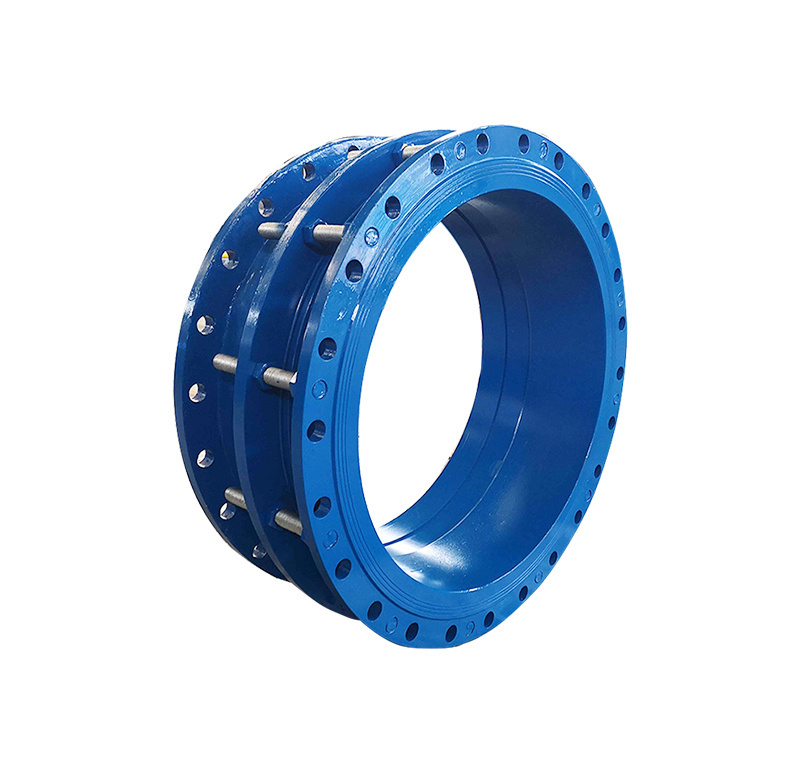
How EN Standard Butterfly Valves Can Significantly Reduce Maintenance Costs
How EN Standard Butterfly Valves Can Significantly Reduce Maintenance Costs
Table of Contents
- 1. Introduction to EN Standard Butterfly Valves
- 2. Importance of Butterfly Valves in Industrial Applications
- 3. Design Features of EN Standard Butterfly Valves
- 4. How Butterfly Valves Reduce Maintenance Costs
- 5. Applications of EN Standard Butterfly Valves
- 6. Advantages of EN Standard Butterfly Valves
- 7. Selecting the Right EN Standard Butterfly Valve
- 8. Frequently Asked Questions (FAQs)
- 9. Conclusion
1. Introduction to EN Standard Butterfly Valves
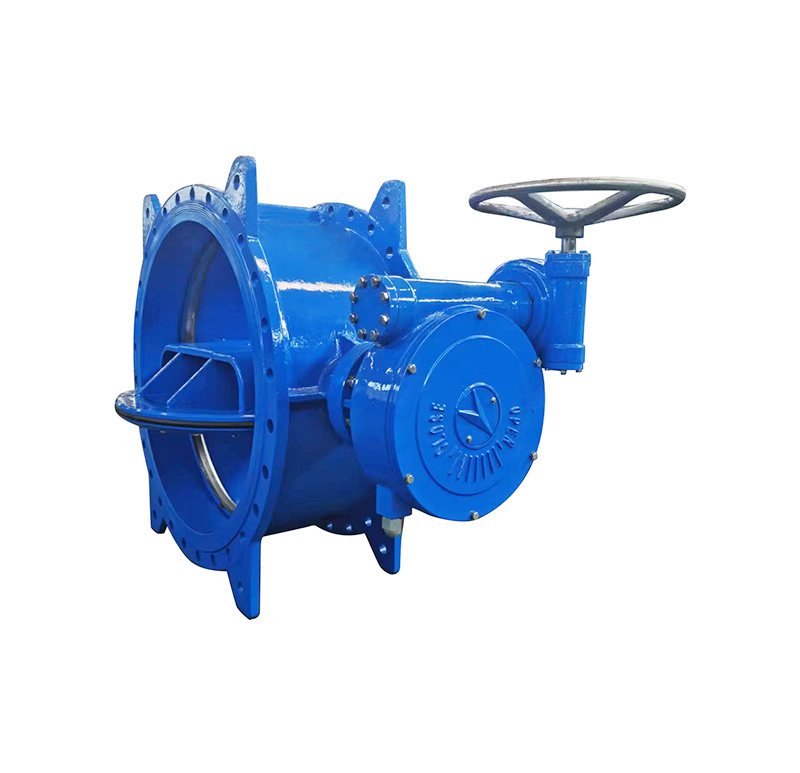
EN standard butterfly valves are crucial components in various industrial applications, designed to regulate flow and pressure efficiently. These valves consist of a rotating disc that controls the flow of fluid through a pipe. With their simplistic design and robust construction, EN standard butterfly valves are ideally suited for situations where quick operation and space efficiency are paramount.
In this article, we will delve into how these valves can significantly reduce maintenance costs while enhancing operational efficiency.
2. Importance of Butterfly Valves in Industrial Applications
Butterfly valves play a vital role in many sectors, including water treatment, chemical processing, and HVAC systems. Their importance stems from several factors:
2.1. Versatility
Butterfly valves can handle a variety of fluids, including gases, liquids, and slurries, making them versatile for multiple applications.
2.2. Space Efficiency
These valves require minimal space compared to other types, making them ideal for installations with limited room.
2.3. Cost-Effectiveness
When considering installation, maintenance, and operational costs, butterfly valves often present a more affordable option than other valve types.
3. Design Features of EN Standard Butterfly Valves
The design of EN standard butterfly valves incorporates several key features that contribute to their efficiency and reliability:
3.1. Disc Design
The disc is typically made from durable materials like stainless steel or ductile iron, which withstands harsh conditions and enhances longevity.
3.2. Actuation Options
EN standard butterfly valves can be manually operated or automated using electric or pneumatic actuators, providing flexibility in operation.
3.3. Seal Types
These valves use various sealing options, including elastomeric and metal seals, allowing them to achieve a tight seal and minimize leakage.
4. How Butterfly Valves Reduce Maintenance Costs
EN standard butterfly valves are designed for ease of maintenance, which directly impacts overall maintenance costs. Here’s how:
4.1. Reduced Wear and Tear
The simple design of butterfly valves means fewer moving parts, which reduces wear and tear over time. This leads to lower replacement costs and less frequent maintenance downtime.
4.2. Easy Access for Repairs
Routine maintenance and repair are simplified due to the accessibility of the valve components. This means that technicians can quickly perform checks and repairs without extensive disassembly.
4.3. Long Lifespan
High-quality materials and construction methods prolong the lifespan of EN standard butterfly valves, minimizing the need for replacement and associated costs over time.
4.4. Energy Efficiency
These valves can provide optimal flow control, reducing energy costs associated with pumping systems. Efficient operations lead to lower overall maintenance and operational expenses.
5. Applications of EN Standard Butterfly Valves
EN standard butterfly valves find applications across various sectors due to their versatility:
5.1. Water and Wastewater Treatment
In water treatment facilities, these valves help regulate flow and pressure, ensuring effective treatment processes.
5.2. Chemical Processing
The chemical industry benefits from the robust construction of butterfly valves, which can handle corrosive materials safely.
5.3. HVAC Systems
In heating, ventilation, and air conditioning systems, EN standard butterfly valves are used to regulate airflow, improving energy efficiency.
5.4. Food and Beverage Industries
These valves are crucial in food processing applications, ensuring hygiene and compliance with health regulations.
6. Advantages of EN Standard Butterfly Valves
The advantages of using EN standard butterfly valves extend beyond maintenance costs:
6.1. Quick Operation
The design allows for rapid opening and closing, ensuring efficient flow control.
6.2. Lightweight Design
Their lightweight construction makes installation easier and lowers shipping costs.
6.3. High Flow Capacity
Butterfly valves can handle a high flow rate, making them suitable for various applications.
6.4. Minimal Pressure Drop
These valves offer minimal resistance to flow, which helps maintain system pressure and reduces energy consumption.
7. Selecting the Right EN Standard Butterfly Valve
Choosing the appropriate butterfly valve involves several considerations:
7.1. Application Requirements
Consider the specific requirements of your application, including fluid type, temperature, and pressure.
7.2. Material Selection
Choose materials that are compatible with the fluids used in your system to enhance durability and prevent corrosion.
7.3. Actuation Method
Decide whether manual or automated actuation is necessary based on the operational needs and available resources.
7.4. Size Considerations
Ensure that the valve size is appropriate for your piping system to maintain optimal flow rates and efficiency.
8. Frequently Asked Questions (FAQs)
8.1. What is an EN standard butterfly valve?
An EN standard butterfly valve is a type of valve used to regulate flow in a piping system, characterized by a rotating disc that controls the fluid passage.
8.2. How do EN standard butterfly valves reduce maintenance costs?
They feature fewer moving parts, are easy to access for repairs, and have a longer lifespan, reducing the frequency and cost of maintenance.
8.3. Where are butterfly valves commonly used?
They are widely used in water treatment, chemical processing, HVAC systems, and food and beverage industries.
8.4. What materials are used in EN standard butterfly valves?
Common materials include stainless steel, ductile iron, and various elastomers for seals depending on the application requirements.
8.5. How do I choose the right butterfly valve for my needs?
Consider application requirements, material compatibility, actuation method, and size when selecting a butterfly valve.
9. Conclusion
EN standard butterfly valves offer a wide range of benefits that significantly contribute to reducing maintenance costs in industrial applications. Their efficient design, ease of maintenance, and versatility make them an excellent choice for various sectors. By investing in high-quality EN standard butterfly valves, businesses can enjoy long-term savings, enhanced operational efficiency, and reliable performance. Understanding their advantages and application can empower organizations to make informed decisions that align with their operational goals.


Transportation
Support air, land and sea transportation
Customization
Offering options for customers to customize
Enjoy A Discount
Customers can negotiate the purchase price

Phone/WhatsApp:
Email:


Get A Quote
Expand your business with a trusted partner
