Understanding Regulating Butterfly Valves: Key Considerations for Industrial Applications
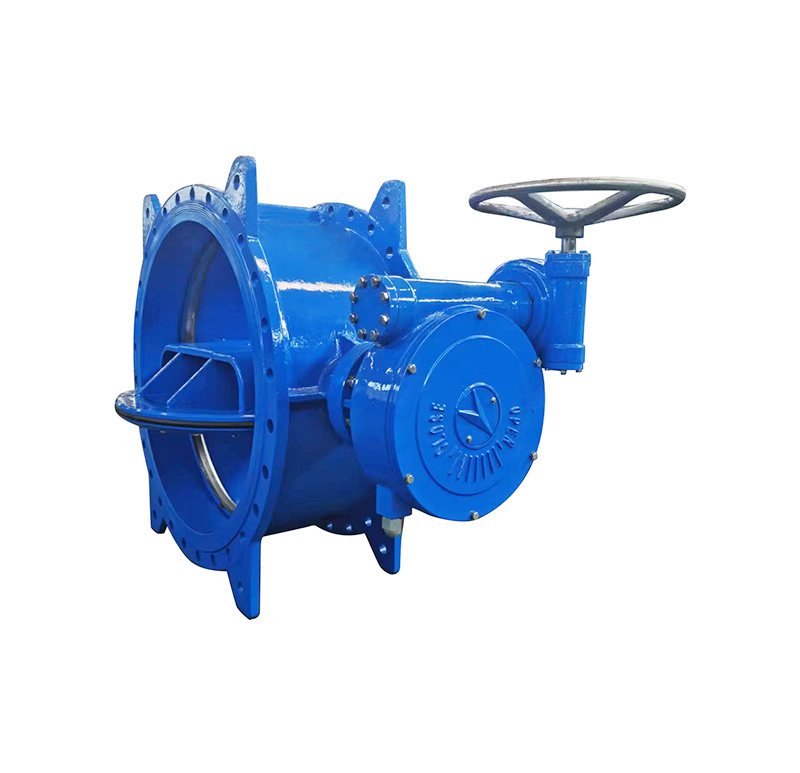
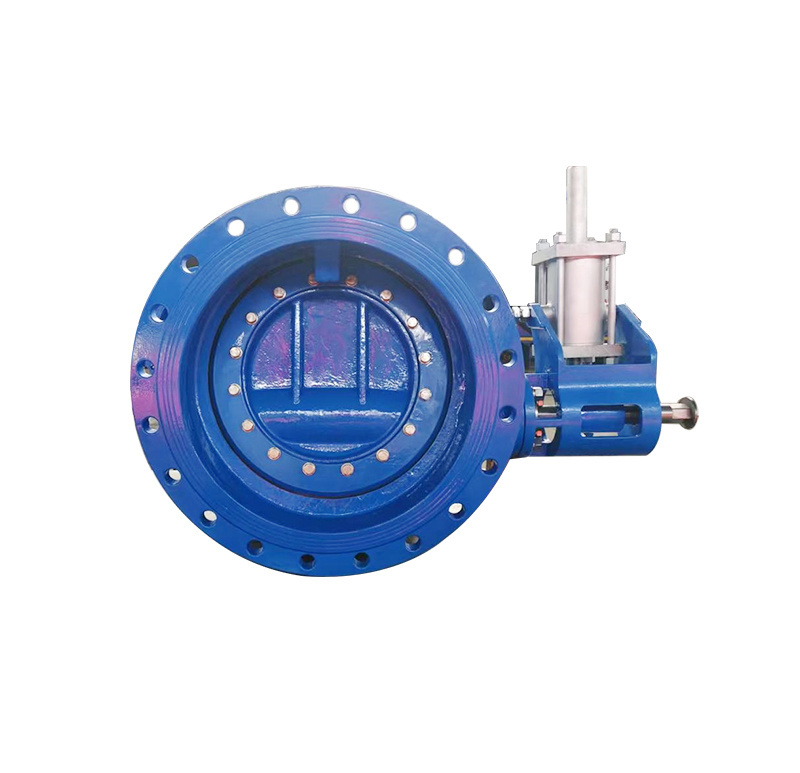
Regulating butterfly valves are a specific type of valve designed to control the flow of fluids in a pipeline effectively. These valves utilize a rotating disc to manage the flow, making them highly efficient for both throttling and on/off services. The primary function of a regulating butterfly valve is to maintain a desired flow rate or pressure within a system, which is crucial in many industrial processes.
The design of a regulating butterfly valve typically includes a circular disc mounted on a rod. When the valve is in its closed position, the disc lies flat against the valve body, creating a tight seal to prevent flow. As the disc rotates, it gradually opens the passageway, allowing fluid to flow through. The angle of the disc can be adjusted to fine-tune the flow rate, making these valves particularly effective for applications that require precise control.
One of the key advantages of regulating butterfly valves is their compact design. They occupy less space compared to other types of valves, making them ideal for installations where space is limited. Additionally, their lightweight construction reduces the overall load on piping systems, which can contribute to lower installation costs and ease of handling.
Regulating butterfly valves also offer a high flow coefficient (Cv), which means they can handle a significant volume of fluid with minimal pressure drop. This feature makes them suitable for various applications, including water supply systems, wastewater treatment, chemical processing, and HVAC systems. Their ability to maintain a consistent flow rate under varying conditions is essential for ensuring efficient operations in these industries.
Another important aspect of regulating butterfly valves is their versatility in material selection. They can be constructed from various materials such as stainless steel, brass, and plastic, allowing them to be tailored to specific fluid characteristics and environmental conditions. This adaptability ensures longevity and reliability, even in challenging operational settings.
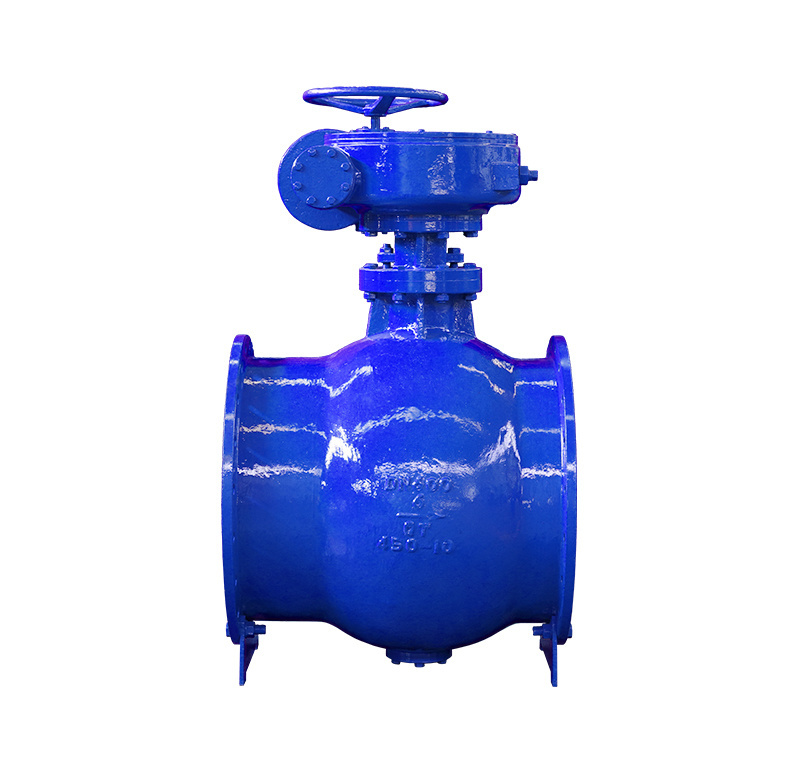
Furthermore, regulating butterfly valves can be equipped with various actuators, including electric, pneumatic, or manual types. This flexibility allows for automation in flow control, enhancing operational efficiency while minimizing manual intervention. The choice of actuator can be based on the specific requirements of the application, such as response time, control accuracy, and environmental considerations.
In conclusion, regulating butterfly valves are indispensable in industrial settings where flow control is critical. Their efficient design, space-saving characteristics, and ability to provide precise flow management make them a preferred choice for many applications. Understanding the functionality and advantages of these valves can aid professionals in selecting the right solution for their specific needs, ultimately contributing to improved system performance and reliability.


Transportation
Support air, land and sea transportation
Customization
Offering options for customers to customize
Enjoy A Discount
Customers can negotiate the purchase price

Phone/WhatsApp:
Email:


Get A Quote
Expand your business with a trusted partner
